
 By Dr. Jon ( Junyi ) Ho
 If you wear dentures, you may have experienced denture sore spots at some point. You are not alone. Many denture wearers across Perth face this common concern.
Sore spots can develop for various reasons. They may result from changes in your mouth over time or from how your dentures fit against your gum tissue. Professional dental care can address the underlying causes.
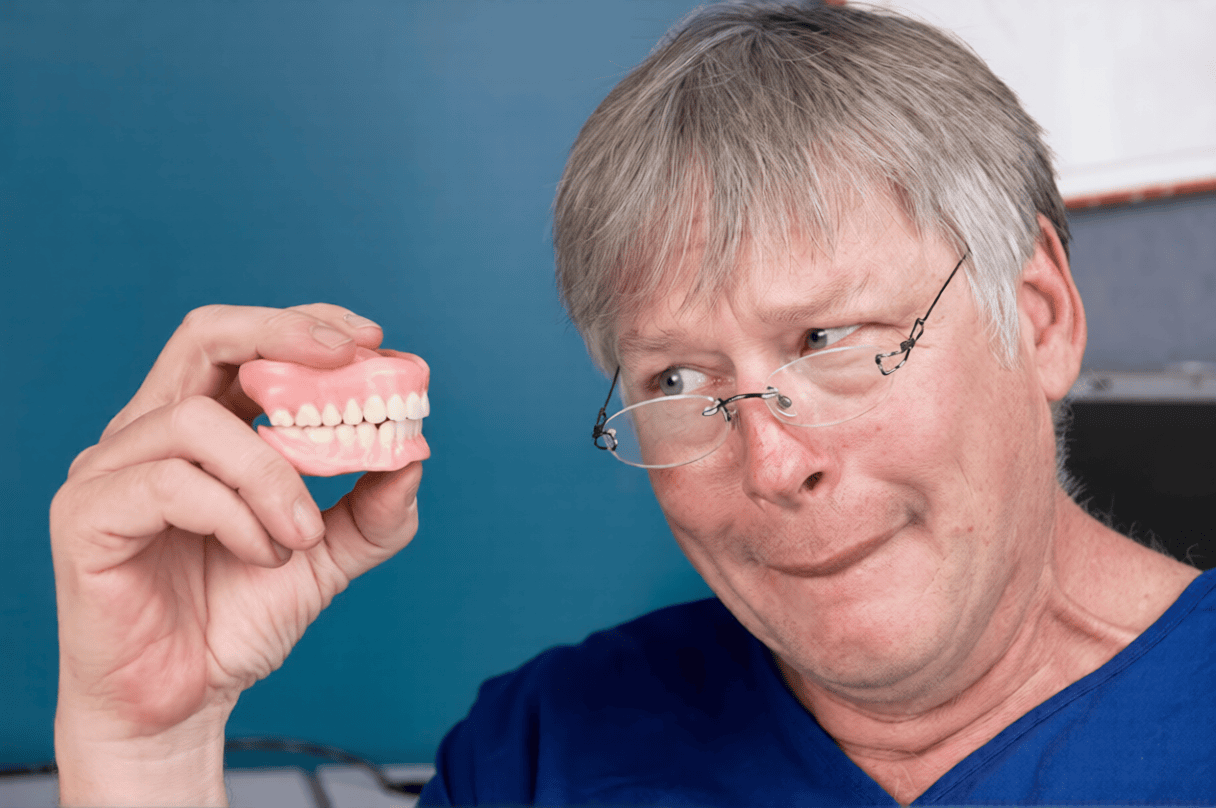
Living with denture discomfort affects more than your mouth. It can make eating difficult and speaking uncomfortable. Some people avoid certain foods they enjoy. Others feel self-conscious about wearing their dentures in public.
This article will help you understand why denture sore spots occur. We will explore how your dentist diagnoses these issues. You will learn about the professional treatments available.
We will also cover what you can do at home while waiting for your appointment and how to prevent future problems.
Contents Navigation
- 1 Summary of the Content:
- 2 Understanding Denture Sore Spots
- 3 Why Do Denture Sore Spots Develop?
- 4 How Dentists Diagnose Denture Sore Spots
- 5 How Dentists Address Sore Spots
- 6 What You Can Do at Home While Awaiting Professional Care
- 7 Prevention: Maintaining Comfortable Dentures Long-Term
- 8 Final Thoughts
Summary of the Content:
- Denture sore spots are pressure areas where dentures cause discomfort to the gum tissue.
- Ill-fitting dentures are a primary cause of sore spots. Your jawbone and gum tissue change shape over time, which can affect how your dentures fit in your mouth.
- Professional denture adjustment can redistribute pressure more evenly across your gums. Your dentist may recommend relines, rebasing, or new dentures depending on your situation.
- Regular dental checkups, even for denture wearers, help detect fit issues early. This allows for minor adjustments before major problems develop.
- Home care measures provide temporary comfort. However, they are not substitutes for professional assessment and treatment.
- Comprehensive denture care for Perth residents includes regular hygiene routines, proper storage, and scheduled professional maintenance appointments.
Understanding Denture Sore Spots
Denture sore spots are areas where your dentures create excessive pressure on your gum tissue. Dental professionals also call these pressure points or pressure sores.
These irritated areas can range from mild tenderness to painful lesions. They differ from the general adjustment discomfort that occurs with new dentures. While new denture wearers often experience some initial sensitivity, persistent sore spots indicate a specific fit problem.
Research published in the Journal of Prosthodontics indicates that denture-related oral conditions affect a significant proportion of wearers. Studies report prevalence rates ranging from 15% to over 70%, depending on the population studied.
Both new and long-time denture wearers can be affected. Sore spots are more common in the first few weeks of wearing new dentures. However, they can also develop after years of wearing the same prosthesis due to natural changes in your mouth.
Sore spots tend to occur in predictable locations based on mouth anatomy:
- Gum ridges:
These areas, where bone is close to the surface, are particularly vulnerable to pressure. - Lower dentures:
The ridge crest where the denture rests often develops sore spots due to concentrated pressure. - Upper dentures:
Irritation may occur on the palate or along the gum borders where the denture edge contacts tissue. - Bony prominences:
Any area where bone lies close to the gum tissue can become a pressure point.
Individual variation plays a role. Your unique oral anatomy determines which areas are most susceptible to irritation from your dentures.
People describe denture sore spots differently. Common symptoms include tenderness when wearing dentures and a burning sensation in specific areas. Other signs may include sharp pain when chewing, redness or swelling, and small ulcers or white patches on the gum tissue.
These symptoms often affect daily activities. Many people report difficulty eating certain foods. Some avoid wearing their dentures altogether, which can affect nutrition and quality of life.
Why Do Denture Sore Spots Develop?

Several factors contribute to denture sore spots. Understanding these causes helps explain why regular professional care matters.
- Ill-Fitting Dentures (Primary Cause)
Ill-fitting dentures are the most common cause of sore spots. Even well-fitting dentures can become loose over time.
Your jawbone changes shape after tooth loss through a natural process called bone resorption. After tooth loss, your jawbone naturally begins to change shape within the first few months. This process continues gradually over time, so your mouth may differ from when your dentures were first made.
As your jaw changes, the denture no longer makes even contact with your gum tissue. Certain areas receive more pressure than others. These high-pressure spots become irritated and sore.
Significant changes often occur within 6–12 months after tooth loss. However, the process continues indefinitely at a slower rate. This explains why ill-fitting dentures can develop even if your dentures were made just a few years ago. - New Denture Adjustment Period
When you receive new dentures, your mouth needs time to adapt. Soft tissues adjust to the presence of a prosthetic device. Muscles learn new movements for eating and speaking.
This adjustment period lasts approximately 2–4 weeks for most people. During this time, minor discomfort is normal. However, it is important to distinguish between normal adjustment and problematic fit issues.
If discomfort persists beyond this initial period, or if specific spots become increasingly painful, the dentures may need professional attention. Treatment during this phase can address emerging problems before they worsen. - Uneven Pressure Distribution
Dentures function most effectively when they distribute chewing forces evenly across the gum tissue. When this distribution becomes uneven, problems develop.
High spots on the denture base create concentrated pressure points. These high spots may result from manufacturing variations or from changes in your mouth’s tissues. Think of it like a shoe that rubs in one particular spot—the problem is localised but persistent. - Changes in Oral Anatomy
Your mouth changes throughout your life. Weight fluctuations affect facial structure and how dentures fit. Medications can alter gum tissue health and moisture levels. Natural ageing processes change bone density and tissue elasticity.
These changes happen gradually. You may not notice the difference day to day. However, over time, they accumulate and cause fit problems with your dentures. - Poor Denture Hygiene
Inadequate cleaning allows problems to develop beneath your dentures. Bacterial buildup creates an unhealthy environment for gum tissue. Food particles trapped under dentures cause direct irritation. Plaque accumulation promotes inflammation, and poor hygiene can lead to infections that increase tissue sensitivity.
When hygiene suffers, your gums become more vulnerable to pressure-related irritation. - Dry Mouth (Xerostomia)
Saliva acts as a natural lubricant between your dentures and gum tissue. Without adequate moisture, friction increases.
Many medications reduce saliva production. Certain medical conditions also affect oral moisture. Radiation therapy to the head and neck area commonly causes dry mouth.
When your mouth is dry, dentures move more against your gums. This increased friction leads to irritation and the development of sore spots. - Prolonged Wear
Wearing dentures continuously without breaks puts sustained pressure on your gum tissue. Your tissues need rest periods to maintain their health.
Wearing dentures 24 hours a day prevents the need for recovery time. The recommendation for most denture wearers is to remove them overnight. This allows gum tissue to rest and recover from daily wear. Of course, individual circumstances vary, and your dentist can advise what works for your situation.
How Dentists Diagnose Denture Sore Spots
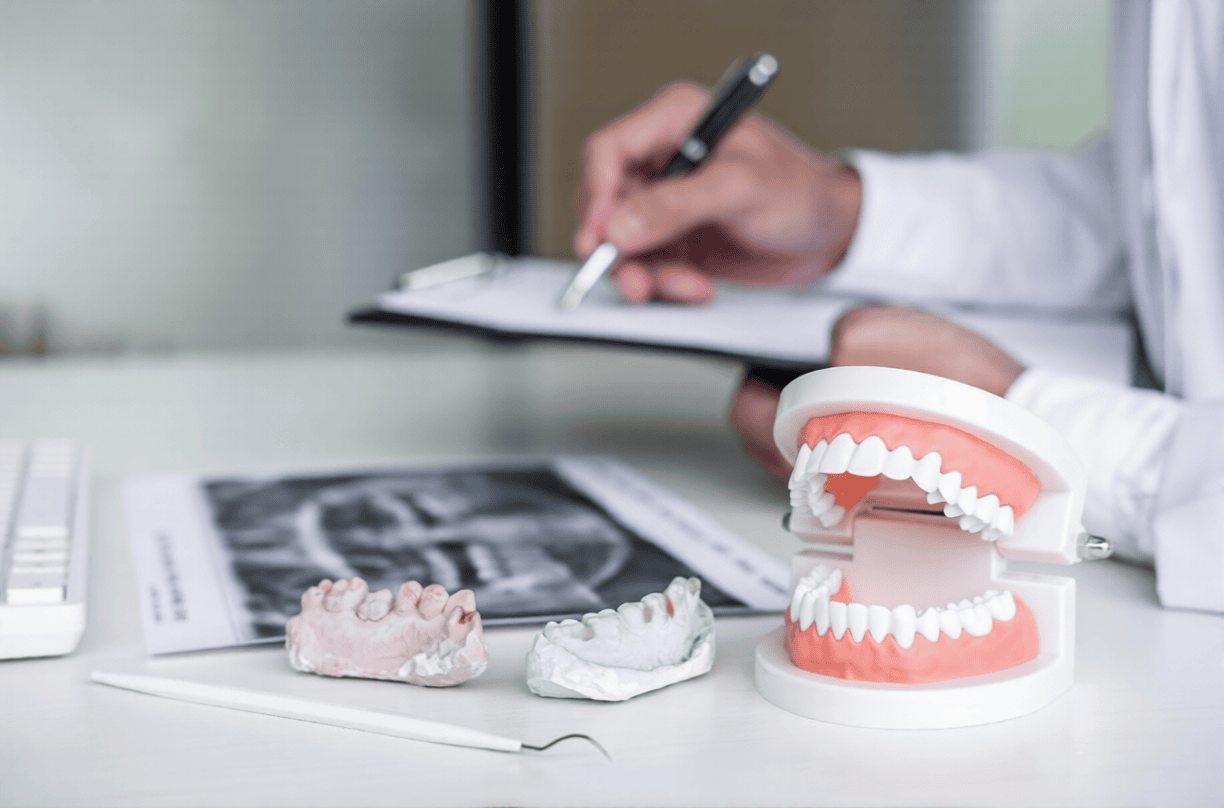
A professional assessment identifies the specific cause of your discomfort. This allows for targeted treatment rather than guesswork.
Your dentist will conduct a thorough evaluation during your appointment:
- Visual inspection:
Your dentist examines your oral tissues for signs of inflammation and checks your dentures for wear or damage. - Fit assessment:
Your dentist evaluates denture stability during speaking and chewing and checks retention levels. - Pressure evaluation:
Your dentist identifies areas where the denture contacts tissue unevenly by using pressure-indicating paste. - Border examination:
Your dentist checks whether denture edges sit appropriately against your gums. - Bite assessment:
Your dentist evaluates how your upper and lower dentures meet when you close your mouth.
Your dentist will also ask questions about your experience, including when the discomfort began, whether pain occurs during eating, speaking, or at rest, what medications you are taking, and any recent health changes. This information helps identify contributing factors that may not be visible during examination.
Seeking professional help provides several benefits. Accurate diagnosis prevents wasted time on ineffective approaches. Your dentist can identify underlying issues and determine whether denture adjustment, reline, or replacement is appropriate. Other oral health concerns can be ruled out, and treatment can proceed with proper guidance.
Professional assessment provides the foundation for effective denture pain relief.
How Dentists Address Sore Spots
Several professional treatment options exist for denture sore spots. Your dentist will recommend the approach most suitable for your situation.
Denture Adjustments
A denture adjustment involves selective modifications to improve its fit. This includes careful removal of material from areas that are creating excessive pressure, and grinding and polishing the denture base to eliminate high spots. This approach is appropriate for minor fit issues and localised sore spots, though multiple appointments may be needed.
For many people, denture adjustment provides meaningful denture pain relief without more extensive procedures.
Denture Relines
Relining updates the inner surface of your denture to match your current tissue contours:
- Soft reline:
This option uses cushioning material for added comfort and may be temporary or longer-lasting depending on your needs. - Hard reline:
This approach uses durable acrylic material to provide a more precise fit to your current mouth shape. - When recommended:
Relining is often recommended when there are significant tissue changes, loose dentures, or widespread discomfort. - Frequency:
Relines may be needed every 2–3 years as your mouth continues to change.
Relining can improve denture fit and comfort for many wearers.
Denture Rebasing
Rebasing differs from relining in scope:
- What it involves:
This procedure replaces the entire denture base while preserving the existing teeth. - When needed:
Rebasing is recommended when the base material is damaged or significantly worn. - Advantage:
This approach extends the useful life of your dentures without requiring complete replacement. - Process:
Rebasing is more extensive than relining but less costly than full denture replacement.
Tissue Conditioning
When gum tissue is severely inflamed, treatment may proceed in stages. A soft temporary lining allows irritated tissues to heal. Once tissues return to a healthy state, further treatment can proceed.
Denture Replacement
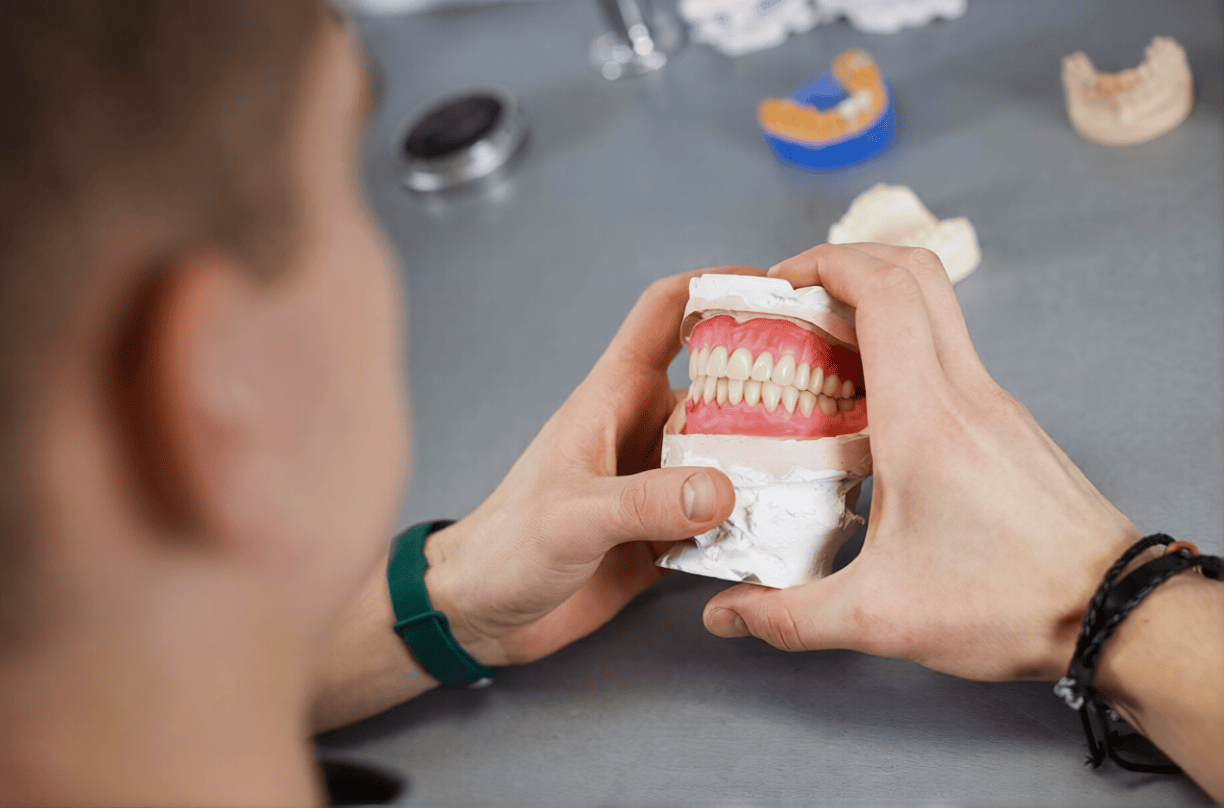
Sometimes existing dentures cannot be adequately adjusted. Significant jaw changes may require completely new impressions. The process involves several appointments over weeks, with custom fabrication aimed at improving fit to your current anatomy. While replacement represents a larger investment, it can provide long-term comfort improvement.
Complementary Treatments
Depending on your situation, additional care may include medications for any present infection and topical treatments to support tissue healing. Your dentist may also provide home care recommendations during recovery and guidance on proper insertion and removal techniques.
Treatment Selection Factors
When recommending treatment, your dentist takes a personalised approach based on several considerations:
- Tissue changes:
The extent of changes in your mouth determines whether minor adjustments or more comprehensive treatment is required. - Denture condition:
The age and current state of your dentures influence whether modification or replacement is more appropriate. - Oral health status:
Your overall oral health, including gum tissue condition, affects which treatments are suitable. - Budget and timeline:
Your dentist will discuss options that align with your financial situation and time requirements. - Personal preferences:
Your concerns and preferences play an important role in shaping the treatment plan.
By weighing these factors, your dentist can recommend the approach most likely to address your specific situation effectively.
Treatment generally involves an initial consultation and assessment, discussion of appropriate options, explanation of time requirements, and follow-up care to monitor your progress. Your dental team provides ongoing support throughout the treatment process.
What You Can Do at Home While Awaiting Professional Care
If you are experiencing denture discomfort, some measures may provide temporary comfort. However, these are not substitutes for professional assessment.
Important Information Before You Begin
While waiting for your dental appointment, you may wish to try some home comfort measures. These approaches offer only temporary support and do not address the underlying causes. Persistent problems always require professional evaluation. Never attempt to adjust your dentures yourself; doing so can cause further damage.
Safe Temporary Relief Measures:
- Remove Dentures Periodically
If possible, take out your dentures for several hours during the day and always remove them overnight unless your dentist advises otherwise. This gives your tissues time to rest and recover from the constant pressure of wearing dentures. Reducing continuous pressure on sore areas can help manage discomfort while you await professional care. - Saltwater Rinses
Mix 1 teaspoon of salt into a glass of warm water, then rinse your mouth 3–4 times daily. This simple approach may help with minor irritation by creating a cleansing environment in your mouth. Saltwater rinses are a natural, low-risk option while you await your dental appointment. - Soft Food Diet
While dealing with sore spots, avoid hard, crunchy, or sticky foods temporarily. Choose softer textures that require less chewing force, such as soups, yoghurt, soft-cooked vegetables, and fish. Eating softer foods reduces stress on sore areas during meals and can make eating more comfortable until you receive professional care. - Proper Denture Hygiene
Clean your dentures thoroughly each day with appropriate denture-cleaning products rather than regular toothpaste. If you have remaining natural teeth, brush them and your gums. Maintaining thorough hygiene helps reduce bacterial irritation of sensitive tissues and supports gum health while you address fit issues. - Over-the-Counter Pain Relief
Pain relievers may help when used as directed on the packaging. Consult your pharmacist about appropriate products for oral discomfort and follow dosage instructions carefully. Remember that these are temporary measures for short-term comfort, not lasting approaches to address the underlying fit issues. - Topical Oral Gels
Denture-specific anaesthetic gels are available at pharmacies and provide temporary numbing of sore areas. Follow the product instructions carefully and ask your pharmacist for suitable options based on your needs. These gels can offer short-term denture pain relief while you wait for your professional appointment.
What NOT to Do:
Avoid these common mistakes:
- Do not attempt to adjust your dentures with tools or files, as this can cause irreversible damage.
- Do not use household adhesives to modify your dentures.
- Do not ignore problems that persist beyond 1–2 weeks despite home care measures.
- Do not rely on denture adhesive long-term to compensate for a poor fit.
When to Contact Your Dentist:
Certain situations warrant scheduling an appointment sooner rather than later. Contact your dental clinic if you experience:
- Contact your dentist if sore spots persist beyond 1–2 weeks despite home care measures.
- Seek care if you experience worsening pain or increasing swelling in your mouth.
- Schedule an appointment if you notice signs of infection, such as pus, fever, or severe redness.
- Reach out if you have difficulty eating or speaking that affects your daily activities.
- Contact your dental clinic if your dentures become loose or broken and need professional attention.
Taking prompt action when problems arise helps prevent minor issues from developing into more significant concerns.
Prevention: Maintaining Comfortable Dentures Long-Term
Preventing denture sore spots is preferable to addressing them after they develop. Regular maintenance supports long-term comfort.
Regular Dental Checkups
Even with full dentures, professional monitoring remains essential for maintaining oral health and comfort. Here is why regular visits matter:
- Recommended frequency:
Dental checkups should occur at least every 6–12 months. - Early detection:
Your dentist can identify fit issues before they cause major discomfort or tissue damage. - Preventive adjustments:
Making minor modifications during routine visits is easier than addressing major problems later. - Health screening:
Your dentist checks for other concerns during each visit, including oral cancer screening.
Consistent professional monitoring helps keep your dentures fit comfortably and your oral tissues healthy.
Proper Daily Care Routine
Consistent habits support denture longevity and gum health:
- Clean dentures thoroughly after eating when possible, using a soft-bristled brush.
- Choose an appropriate denture cleanser rather than regular toothpaste, which can be abrasive.
- Rinse dentures well before reinserting them.
- Store dentures properly when not wearing them—often in water or denture soaking liquid.
- Clean your gums and any remaining teeth daily.
A consistent daily routine helps maintain both your dentures and your oral health.
Handling Dentures Carefully
Protect your dentures from accidental damage by following these guidelines:
- Place a towel in the sink when cleaning your dentures to cushion any accidental drops.
- Handle your dentures over a soft surface to reduce the risk of breakage if they slip from your hands.
- Avoid bending or damaging clasps on partial dentures, as this can affect their fit and function.
- Keep your dentures away from pets and young children, as they may damage them.
- Inspect your dentures regularly for cracks or signs of wear that may require professional attention.
Taking care when handling your dentures helps prevent damage that could lead to ill-fitting dentures over time.
Recognising Early Warning Signs
Pay attention to these subtle changes that may indicate your dentures need professional attention:
- You may notice slight looseness developing over time that was not present before.
- You may experience minor discomfort beginning in certain areas of your mouth.
- You may observe changes in how your dentures feel when biting or chewing.
- You may have difficulty eating foods you previously managed well without discomfort.
Early intervention can help prevent minor issues from becoming major problems. A timely denture adjustment can address emerging concerns before significant discomfort develops.
Understanding Natural Changes
Your mouth undergoes gradual changes throughout life that can affect denture fit. Jawbone and gum tissue change shape over time, particularly after tooth loss.
Weight fluctuations affect facial structure, and the natural ageing process impacts bone density and tissue elasticity. Certain medications may also affect oral tissues and saliva production.
Regular professional monitoring helps you adapt to these changes through timely adjustments or relines.
Lifestyle Considerations
Your overall health directly affects your oral tissue health and denture comfort. Several lifestyle factors influence gum tissue condition:
- Maintain your general health through a balanced diet and regular physical activity.
- Stay well hydrated to support adequate saliva production.
- Work with your healthcare providers to manage medical conditions that affect your mouth.
- Discuss medication side effects with your doctor, particularly those affecting saliva production.
By paying attention to your general wellbeing, you support the health of your oral tissues and create favourable conditions for comfortable denture wear.
When Relines or Adjustments May Be Needed
Being aware of changes in how your dentures fit helps you seek help before minor issues become major problems. Schedule an appointment if you notice:
- Your dentures feel loose or move more than usual during eating or speaking.
- Food particles frequently get trapped under your dentures.
- New sore spots are developing in areas that were previously comfortable.
- Changes in your bite alignment or how your dentures meet.
General guidelines suggest relines may be needed every 2–3 years, though individual needs vary.
Investment in Long-Term Comfort:
Viewing regular dental care as an investment in your quality of life makes it easier to prioritise these appointments. Professional care offers several advantages:
- Regular maintenance helps prevent costly emergency treatments.
- Professional care extends the useful life of your dentures through timely adjustments.
- Addressing problems early reduces the need for more extensive interventions later.
- Comfortable dentures support your ability to eat, speak, and socialise without discomfort.
Comprehensive denture care Perth dental teams provide includes ongoing monitoring and timely interventions to keep your dentures fitting comfortably.
Final Thoughts
Denture sore spots are a common concern, but they do not have to be an ongoing issue. Multiple causes can contribute, from natural changes in your jaw to ill-fitting dentures that have shifted over time.
Professional assessment identifies the specific factors affecting your comfort. Treatment options range from denture adjustment to relines to replacement, depending on your individual situation. Your dentist can recommend the most appropriate approach based on a thorough evaluation.
You can take steps to support your denture comfort. Regular checkups, proper hygiene habits, and prompt attention to early warning signs all contribute to long-term success.
If you are experiencing persistent discomfort, denture pain relief is available. Darch Dental Centre provides professional assessment and appropriate treatment recommendations based on your needs. Our team serves residents throughout Perth’s northern suburbs.
Comfortable dentures support your ability to eat well, speak clearly, and engage socially. Do not delay seeking help for persistent discomfort. Professional care can make a meaningful difference in your daily quality of life.


 Cosmetic Dentistry
 General Dentistry
 Dental Implants
 Emergency Dentist
 Orthodontics
 Sleep Dentistry