
 By Dr. Jon ( Junyi ) Ho
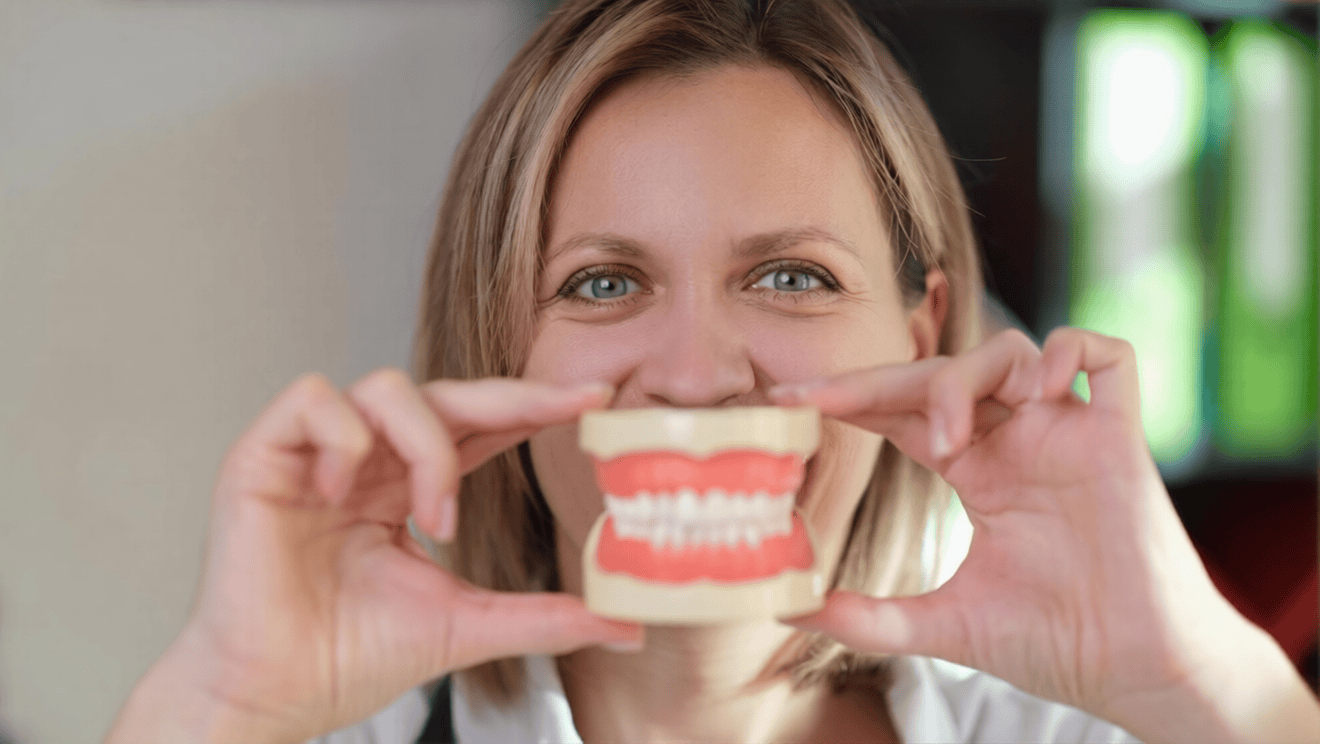
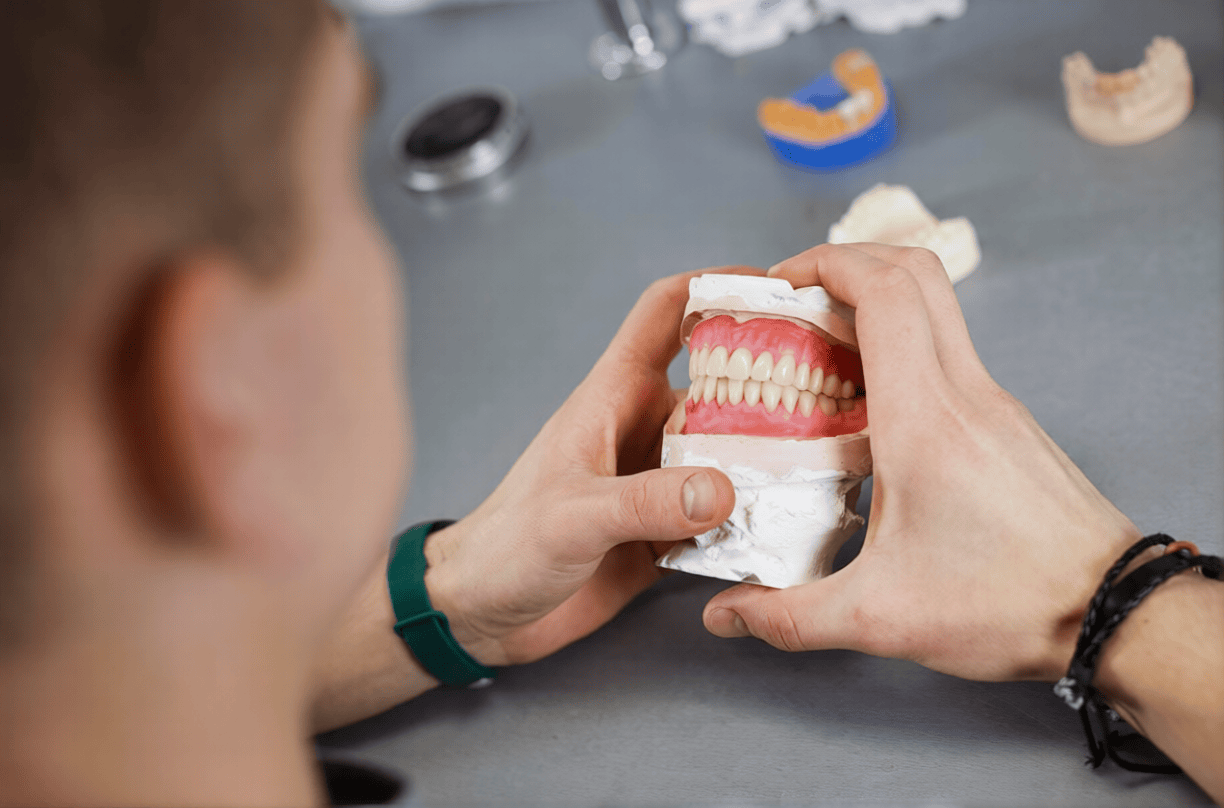
A partial denture replaces some missing teeth while other natural teeth remain. A full denture, also called a complete denture, replaces all the teeth in an upper or lower jaw. Your dentist checks the remaining teeth and gums before recommending an option; it isn’t just a matter of choosing a material. [3]
If you’re worried that asking about dentures means losing the teeth you still have, start with that question. Dental care aims to help you keep your natural teeth for as long as possible. A partial denture needs remaining teeth and gums that can support it. [3]
Our denture information at Darch Dental Centre explains the service. Below, we look at how the choice is made, what acrylic and metal-framed partials mean, and what to expect at fitting visits.
Contents Navigation
- 1. Summary of the Content:
- 2. How does a dentist decide between partial and full dentures?
- 3. What is the difference between acrylic and metal-framed partials?
- 4. Can you have a full denture in one jaw and a partial in the other?
- 5. Where do implant-retained dentures fit into the decision?
- 6. What happens at the denture fitting visits?
- 7. What should you know before taking your denture home?
- 8. FINAL THOUGHTS
- 9. Sources
Summary of the Content:
- Partial dentures replace some teeth; full dentures replace all the teeth in one jaw.
- The health of your remaining teeth and gums matters when planning a partial denture.
- Partials can use acrylic plastic or a metal framework with plastic. Ask about the proposed design, not just its name.
- An implant-retained denture can still be removable. Implants require a separate assessment and surgery.
How does a dentist decide between partial and full dentures?
Your dentist starts with what teeth are missing and whether the remaining teeth and gums can support a denture. Better Health Channel describes checking these before denture measurements begin. [3]
The decision is made for each jaw. A full denture can replace all the teeth in the upper jaw, lower jaw or both. A partial sits on the gums and holds onto remaining teeth. So “I need dentures” doesn’t automatically mean a full upper and lower set. [1]
At Darch Dental Centre, the denture process begins with a dental examination to consider whether dentures are appropriate and whether other treatment, such as extractions, is needed. That assessment comes before impressions and making the denture. [5]
Ask us to explain which teeth can support the proposed partial, whether any treatment is needed first, and why a full denture has been suggested if you still have natural teeth. You can also ask what alternatives apply to your situation.
What is the difference between acrylic and metal-framed partials?
Acrylic partials have a plastic base. A metal-framed partial combines plastic with a lightweight metal framework, usually cobalt chrome. These are material choices within the partial-denture category, not different numbers of replacement teeth. [2]
The Australian Dental Association describes cobalt chrome as a thin, light metal and notes that each material has benefits to discuss with your dentist. A partial denture may have clasps around remaining teeth to help hold it in place. [1]
Rather than picking a material from a photograph, ask the dentist to show you the proposed design. Useful questions include where the clasps would sit, what the denture base would cover, how you would remove it for cleaning, and what the written quote includes. Ask whether the suggested material is intended for your current needs or an interim plan.
There is no single material recommendation for everyone in the guidance above. Your discussion should connect the proposed material with your own mouth and treatment plan—not treat “metal” or “acrylic” as a reason on its own to choose a denture.
Can you have a full denture in one jaw and a partial in the other?
Yes. The choice describes how many teeth are being replaced in each jaw. A full denture replaces every tooth in that jaw; a partial replaces only the missing teeth where natural teeth remain. [3]
For example, if all upper teeth are missing but some lower teeth remain, ask whether the plan is a full upper denture and a lower partial. Whether the remaining lower teeth and gums can support that partial still needs to be checked. [3]
Where do implant-retained dentures fit into the decision?
An implant-retained denture is an option to discuss when considering a full denture. Implants in the jaw help hold the denture in place, but you can still take the denture out of your mouth. Implant-retained does not automatically mean fixed in place. [1]
Darch offers implant-retained dentures and has a separate page about implant-supported dentures. Ask your dentist exactly which design is proposed: what supports it, whether you remove it yourself, and how it is cleaned. The label alone should not be your treatment plan.
Implants involve surgery, not just a different denture fitting. Before treatment, the dental professional checks the amount of bone, gum health, medical conditions and medicines. Possible complications include infection, nerve damage, sinus problems and injury to surrounding teeth. Ask how these considerations apply to you. [4]
A removable denture without implants and a dental bridge are alternatives to discuss, depending on your circumstances. You can use our dental implant information to prepare questions, but an assessment is needed before choosing treatment. [4]
What happens at the denture fitting visits?
Expect several appointments rather than a single fitting. The number depends on how many teeth are being replaced, whether you have worn dentures before and whether teeth need to be removed. The ADA describes measurement and fitting visits with laboratory work between appointments. [1]
Examination and planning. At Darch, we first examine your mouth to consider dentures and any other treatment needed. This is the time to ask why a partial or full denture is being recommended and to discuss your concerns. [5]
Impressions and measurements. Our denture information describes taking an impression of your teeth and measuring your mouth, then sending the impression to a dental laboratory. Dentures are made for the individual mouth; Better Health Channel also describes matching the teeth’s colour and the bite. [5]
Fitting and follow-up. Once the denture is made, it is fitted at the clinic. Follow-up visits may be needed for adjustments. New dentures can feel awkward or loose and can cause irritation or soreness; see your dentist if your mouth is sore, your gums bleed, or you have swelling or ulcers. [2]
Ask for an outline of your own appointments before treatment starts. If tooth removal is part of the plan, our explanation of immediate versus conventional dentures covers that separate timing question. Partial versus full describes the teeth replaced; immediate versus conventional describes when the denture is fitted. [1]
What should you know before taking your denture home?
Both the denture and your mouth need ongoing care. The ADA advises taking dentures out to clean them and returning for adjustments when needed. Dental checks still matter even if all natural teeth have been replaced, because the shape of your mouth can change. [1]
For a partial denture, keep cleaning your remaining natural teeth as well as the denture. Ask the dentist to show you how to care for your particular design. If you want to understand later maintenance, see our article on how long dentures last and when they may need attention. [3]
FINAL THOUGHTS
Start with the question, “Which teeth can I keep, and what are my options for the gaps?” The answer should explain why a partial or full denture is being considered, which material is proposed, whether implants are relevant, and what the appointments and costs include.
To arrange an assessment, contact Darch Dental Centre on (08) 9303 9770 or book an appointment online. You’ll find us at Shop 17, 225 Kingsway, Darch WA 6065.
Written by: Dr. Jon ( Junyi ) Ho (Dentist).
Sources
Sources checked 13 November 2026. General patient information, not a diagnosis or an individual treatment plan.


 Cosmetic Dentistry
 General Dentistry
 Dental Implants
 Emergency Dentist
 Orthodontics
 Sleep Dentistry