
 By Dr. Jon ( Junyi ) Ho
 Many people associate root canal treatment with discomfort, but modern dentistry has changed significantly. Today’s procedures are usually performed under local anaesthesia. While some patients report experiences similar to having a routine filling, treatment complexity varies depending on individual circumstances. Your dentist will discuss what to expect for your specific situation.
Root canal therapy aims to preserve your natural tooth when the soft tissue inside becomes infected or inflamed. Rather than extracting the tooth entirely, this dental procedure is designed to clean out the infection, which may help preserve the tooth structure. Understanding what happens during treatment, why it’s recommended, and what alternatives exist can help you feel more prepared and less worried.
This blog explains what root canal therapy involves, when it’s needed, what to expect during and after the procedure, and how it compares to tooth extraction. Whether you’re experiencing tooth pain now or simply want to learn more about preserving your natural teeth, this guide will walk you through the process with clear, honest information. Any surgical or invasive procedure carries risks. Before proceeding, you should seek a second opinion from an appropriately qualified health practitioner.
Contents Navigation
Summary of the Content:
- Root canal therapy aims to clear away infected pulp from inside your tooth, helping preserve the natural tooth structure as an alternative to extraction. Treatment outcomes vary.
- Common warning signs include severe pain, prolonged sensitivity to hot or cold, swelling near the tooth, or visible discolouration.
- The dental procedure usually involves numbing the area, accessing the pulp chamber through a small hole, cleaning out the infection, and sealing the tooth.
- Modern techniques and anaesthesia help minimise discomfort during treatment. While many patients experience mild sensitivity afterwards that generally improves within days, individual experiences vary. Any surgical or invasive procedure carries risks.
- Root canal treatment aims to preserve your natural tooth. Treatment outcomes vary between individuals, and consultation is required to assess suitability for your situation.
- Recovery involves temporary sensitivity that can be managed with over-the-counter pain medication while the tissues heal.
- Good oral hygiene, regular dental appointments, and addressing small problems early can help you avoid needing a root canal procedure in the future.
What Is Root Canal Therapy?
Root canal therapy, also called endodontic treatment, is a dental procedure designed to clean out infected or inflamed pulp from inside your tooth with the aim of preserving the natural tooth structure. To understand why this treatment matters, it helps to know a bit about tooth anatomy.
Understanding Your Tooth’s Structure
- Protective Outer Layers:
Each tooth has hard enamel on its surface and dentine beneath it. These materials form the visible part of your tooth and provide strength for chewing. The enamel is the hardest mineralised tissue in your body, whilst dentine contains tiny tubules that can transmit sensations. - The Pulp Chamber Inside:
Within these protective layers lies the pulp chamber, which contains the dental pulp—soft tissue composed of nerves, blood vessels, and connective tissue. During childhood and adolescence, this pulp tissue helps your tooth develop and grow. Once a tooth is fully mature, it can function without the pulp because surrounding tissues continue to nourish the tooth root.
How Infection Reaches the Pulp
- Through Deep Decay:
Deep decay that progresses through enamel and dentine is a common cause of pulp infection. Bacteria from cavities gradually work their way deeper into the tooth until they reach the soft tissue called pulp. Once bacteria enter this chamber, infection sets in, and the pulp cannot heal naturally. - Through Cracks and Trauma:
Cracks in the tooth from trauma or grinding can also create an opening for bacteria to enter. Even small cracks that aren’t immediately visible can allow bacteria to bypass the protective outer layers. Repeated dental work on the same tooth may eventually irritate or expose the pulp, leading to inflammation.
How Root Canal Therapy Works
Unlike a cut on your skin that usually heals, an inflamed or infected pulp generally cannot restore itself. The pulp tissue is trapped inside the hard tooth structure, with nowhere for swelling to expand. Without treatment, pus may form at the root tip of the tooth, creating an abscess. Root canal therapy can help prevent these complications by addressing the source of infection while keeping your natural tooth in place, cleaning out the root canal system, and sealing it to protect against future root canal infection.
Common Reasons You Might Need a Root Canal Treatment
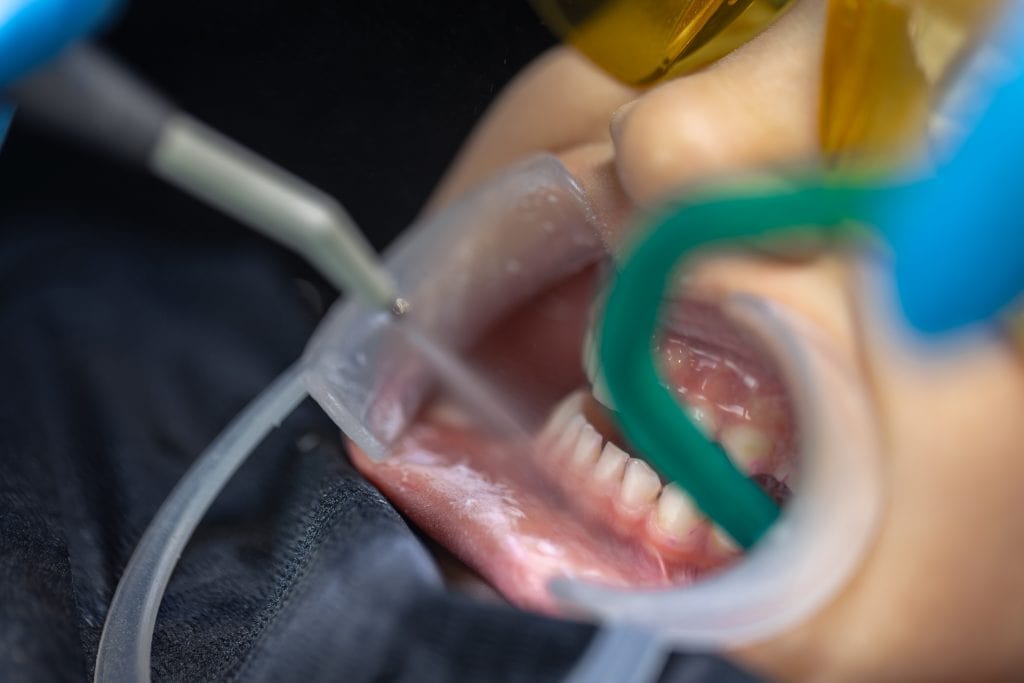
Several warning signs suggest the pulp inside your tooth has become inflamed or infected. Recognising these symptoms early can help you seek treatment before complications develop.
Common Warning Signs
- Severe Tooth Pain:
You might notice severe pain that doesn’t go away, especially when biting down or applying pressure. This pain can range from a dull ache to sharp, throbbing discomfort that interferes with daily activities. The pain may wake you at night or make it difficult to concentrate. - Prolonged Sensitivity to Hot or Cold:
Sensitivity to hot or cold that lingers long after the temperature source is taken away can indicate pulp problems. Whilst brief sensitivity is normal, pain that lasts more than a few seconds suggests the nerves inside your tooth are inflamed or damaged. You may find yourself avoiding certain foods or drinks because of this discomfort. - Visible Changes and Swelling:
Other symptoms include swelling or tenderness in your gums near a specific tooth, darkening or discolouration of the tooth, and a small bump on the gum that may drain pus. These signs indicate that infection has spread beyond the tooth itself into surrounding tissues.
How Dentists Diagnose Pulp Problems
When you visit your dentist with these symptoms, they’ll carefully examine the affected tooth and surrounding tissues. X-rays help them see inside the tooth and check the bone around the tooth root for signs of infection. They may also perform pulp vitality testing to determine whether the pulp tissue is healthy or compromised.
Why Early Intervention Matters
Early intervention significantly improves treatment outcomes. When the infection is caught before it spreads widely, the procedure tends to be simpler. Individual outcomes vary depending on factors such as the extent of infection, tooth location, and ongoing oral care. Consultation is required to assess your specific situation.
Benefits of Preserving Your Natural Tooth
- Maintains Function:
A functional tooth maintains proper chewing ability, which supports nutrition and digestion. Natural teeth distribute chewing forces evenly across your jaw and help preserve jawbone density through the pressure they place on the bone when you bite and chew. - Prevents Tooth Shifting:
Your natural tooth also keeps adjacent teeth from shifting out of position, which can lead to bite problems or crowding over time. When a tooth is extracted, neighbouring teeth gradually drift towards the space. Preserving your tooth maintains proper spacing throughout your mouth and supports the structure of your face and jaw.
Cost Considerations
Treatment costs vary depending on individual circumstances, tooth location, and whether additional procedures are needed. Your dentist can provide transparent pricing information during your consultation, including all associated costs for root canal therapy and restoration, so that you can decide on your care options.
What to Expect During Root Canal Treatment
Understanding what happens during root canal therapy can help reduce anxiety about the procedure. Many treatments follow a similar process, though your dentist will tailor the approach to your specific situation.
Before the Dental Procedure
Before starting a root canal procedure, your dentist will explain each step and what you can expect during treatment. This discussion helps you feel comfortable and aware of what will happen next.
- Initial Consultation:
Your journey begins with a consultation, during which your dentist thoroughly examines the affected tooth. They’ll review your symptoms, check for visible damage or decay, and take X-rays to see the extent of infection inside the tooth and around the tooth root. During this visit, your dentist will explain why root canal therapy is recommended, what the procedure involves, how many appointments you’ll likely need, and what you can expect during root canal recovery. - Addressing Your Concerns:
You’ll have the opportunity to ask questions and discuss any concerns you have. If you feel anxious about dental treatment, let your dentist know. Some people prefer to have treatment completed in a single longer appointment, whilst others feel more comfortable spreading it across multiple visits.
Following your consultation, your dental team will outline the next steps and answer any remaining questions. They aim to help you feel supported and ready for your upcoming treatment.
During the Procedure: Step-by-Step
Root canal treatment is performed in a precise sequence to manage the affected tooth and preserve its structure. The outline below explains how your dentist carries out each stage of the procedure:
- Numbing the Area:
On the day of treatment, your dentist begins by administering a local anaesthetic to numb the tooth and surrounding area. Once the anaesthetic takes effect, many patients experience minimal discomfort during the procedure. Your dentist will check that the area is completely numb before starting. - Isolating and Accessing the Tooth:
Your dentist places a rubber dam around the tooth being managed to keep it dry and protected from bacteria in your saliva. Next, your dentist creates an access opening by drilling a small hole through the top of the tooth. This opening allows them to reach the pulp chamber inside. - Managing Infected Pulp and Cleaning Canals:
Using special instruments designed for root canal work, your dentist carefully cleans away the infected pulp tissue, including the nerves and blood vessels that run through the canals inside the tooth root. The canals are then cleaned and shaped using tiny files that gradually widen the space. Modern dentistry often uses rotary instruments—small, motor-driven files that work more efficiently. - Disinfection and Sealing:
After the canals are shaped, your dentist flushes them thoroughly with disinfecting solutions to kill any remaining bacteria and prevent future root canal infection. Once the canals are clean and dry, your dentist fills them with a biocompatible filling material called gutta-percha. This seals the canal space and prevents bacteria from re-entering. - Completing the Restoration:
Finally, your dentist seals the access opening with a temporary filling if you need to return for a crown, or with a long-term restoration if treatment is completed in one visit. The entire process usually takes between 60 and 90 minutes. Some situations need more than one visit—for example, if the infection is severe, your dentist may place medication inside the tooth and seal it with a temporary filling.
Throughout the treatment, you’ll feel pressure and vibration from the instruments. With proper anaesthesia, many patients experience minimal discomfort during treatment. If you do feel discomfort during the procedure, let your dentist know immediately.
After the Procedure: Root Canal Recovery and Aftercare
Once your root canal treatment is complete, the healing process begins as the tissues around the tooth start to settle. The details below explain how to care for your tooth and promote a healthy recovery:
- Immediate Post-Treatment:
When the anaesthetic wears off, you may notice some tenderness or sensitivity around the affected tooth. Some tenderness or sensitivity is normal as the tissues around the tooth root heal. Many patients find that over-the-counter pain medication helps manage discomfort, though individual experiences vary. Your dentist will provide specific aftercare instructions for your situation. - Caring for Your Temporary Filling:
If you received a temporary filling, be careful with that tooth—temporary fillings are not designed to withstand the full force of chewing, and they can break or come loose under stress. Stick to softer foods and try to chew on the opposite side of your mouth. - The Healing Timeline:
The healing timeline varies depending on the severity of the infection before treatment. If your tooth was badly infected and an abscess had formed, complete healing of the surrounding bone may take several weeks or even months. Your dentist may schedule follow-up dental appointments to check on your progress. - Completing Your Final Restoration:
One important step in root canal recovery is returning for your final restoration. Back teeth that bear heavy chewing forces usually need a dental crown to protect them from breaking, as teeth that have had root canal therapy can become more brittle over time. - Recognising Complications:
Watch for signs that suggest a problem requiring follow-up. Severe pain that worsens rather than improves, visible swelling that develops days after treatment, or a fever can indicate complications. Contact your dentist if you notice any of these symptoms, as further treatment may be needed.
With proper care, a tooth that has had root canal therapy can function normally for many years. Maintain good oral hygiene by brushing twice daily and flossing around the restored tooth. Continue attending regular dental appointments so your dentist can monitor the tooth and catch any issues early.
Root Canal Therapy vs. Tooth Extraction: Comparing Your Treatment Options
When a tooth is badly infected, you generally have two options: root canal therapy to preserve the tooth or extraction to take it out. Both approaches aim to relieve pain and address infection, but they lead to different long-term outcomes.
- Potential Benefits of Preserving Your Natural Tooth:
Root canal treatment aims to preserve the root of your natural tooth and the bone surrounding it. The bone stays healthy because pressure from chewing continues to stimulate it. Adjacent teeth remain in their proper positions because the natural tooth acts as a placeholder. Your bite stays balanced, and you maintain the ability to chew comfortably on both sides of your mouth. - Consequences of Tooth Extraction:
Tooth extraction takes out the entire tooth, including the root. Once the tooth is gone, the bone that previously supported it usually begins to resorb over time. Adjacent teeth may shift towards the space over time, which can affect your bite. Chewing on that side becomes more difficult.
Tooth Replacement Options After Extraction
After a tooth has been extracted, replacing it helps maintain normal chewing function, appearance, and long-term oral health. The section below describes several common approaches and what each involves:
- Dental Implants:
An artificial tooth option, such as a dental implant, involves surgically placing a titanium post into the jawbone, then attaching a crown on top once the bone heals. This process can take several months and requires multiple appointments. Implants function much like natural teeth, but the initial cost is usually higher than root canal therapy and a crown combined. - Dental Bridges:
A dental bridge involves preparing the teeth on either side of the gap and placing crowns on them that support an artificial tooth in between. Bridges restore chewing function but require modifying healthy adjacent teeth and don’t prevent bone loss. - Partial Dentures:
Partial dentures can replace one or more missing teeth and are usually an affordable replacement option. However, they can feel bulky, and many people find them less comfortable than options that stay in place.
When Extraction May Be Necessary
Extraction may be more suitable in certain situations. Teeth with vertical root fractures that extend below the gum line cannot usually be preserved. If a tooth has lost so much structure to decay that there isn’t enough left to support a crown, extraction may be necessary. Advanced gum disease that has destroyed much of the bone surrounding the tooth can also make tooth preservation impractical.
Protecting Your Natural Teeth: Prevention Strategies
Whilst root canal therapy can preserve an infected tooth, preventing the need for this treatment in the first place is more valuable. Several practical steps can help you protect your natural teeth and reduce your risk of developing pulp infections.
- Foundation of Daily Oral Care:
Good oral hygiene forms the foundation of prevention. Brushing twice daily with fluoride toothpaste helps clear away plaque—the sticky film of bacteria that produces acids capable of eroding enamel and creating cavities. Flossing once a day cleans between teeth where your toothbrush can’t reach, dislodging food particles and plaque from tight spaces. - Importance of Regular Professional Care:
Regular dental appointments every six months help your dentist examine your teeth carefully and may identify small problems before they become more serious. X-rays taken during these check-ups can reveal decay between teeth or under existing fillings. Early detection means smaller cavities can be addressed with less invasive procedures, preventing progression that can lead to pulp infection. - Addressing Problems Promptly:
If your dentist finds a small cavity or a crack in a tooth, prompt treatment can make a significant difference. A cavity that reaches the pulp chamber requires root canal treatment, whilst the same cavity caught early might only need a filling. - Protecting Teeth From Trauma:
If you play contact sports or engage in activities where facial injuries can occur, wearing a properly fitted mouthguard can help prevent cracks or fractures that could allow bacteria to reach the pulp. Many people grind or clench their teeth during sleep—a condition called bruxism. If you wake up with jaw soreness, mention this to your dentist. They may recommend a night guard to protect your teeth while you sleep. - Avoiding Harmful Habits:
Certain habits can increase your risk of tooth damage. Chewing ice, hard lollies, or popcorn kernels can crack teeth and create pathways for bacteria to enter. Using your teeth to open packages can put them under stress, which can lead to fractures. Being mindful of these habits can help preserve your natural tooth structure. - Diet and Dental Health:
Frequent snacking or sipping sugary drinks throughout the day provides a steady supply of fuel for bacteria in your mouth, increasing acid production and the risk of cavities. Limiting sugary foods and drinks to mealtimes gives your teeth a break from acid attacks. Eating a balanced diet with plenty of calcium and vitamin D promotes strong teeth and healthy gums. - Responding to Early Warning Signs:
If you notice symptoms like sensitivity, pain when biting, or discomfort that persists, schedule an appointment rather than waiting. Pulp infections rarely disappear without treatment, and early intervention can sometimes prevent the need for a root canal procedure entirely.
Final Thoughts
Root canal therapy is a well-established dental procedure designed to preserve your natural tooth when the pulp becomes infected or inflamed. Modern techniques and anaesthesia have made treatment more predictable and comfortable than many people expect. By cleaning out the infection and sealing the tooth, this approach aims to help you keep your natural tooth root and maintain its function and structure. Individual outcomes vary, and consultation is required to assess suitability.
Facing any dental procedure can feel daunting, especially if you’re experiencing tooth pain. Learning what actually happens during treatment often helps reduce anxiety. Any surgical or invasive procedure carries risks. Before proceeding, you should seek a second opinion from an appropriately qualified health practitioner.
If you’re experiencing symptoms like persistent tooth pain, prolonged sensitivity to hot or cold, or swelling, schedule a dental consultation. At Darch Dental Centre, the team focuses on helping patients feel informed and supported throughout their care. The clinic uses modern technology and techniques to provide thorough treatment whilst prioritising your comfort. Preserving your natural teeth when possible offers lasting benefits for your oral health and function.
Our Registered Dental Practitioners
All dental services at Darch Dental Centre are provided by registered dentists with the Australian Health Practitioner Regulation Agency (AHPRA).
- Dr Jon (Junyi) Ho – General Dentist (Registration No. DEN0001580649)
- Dr Elaine Tseu – General Dentist (Registration No. DEN0001580664)
- Dr Elizabeth Day – General Dentist (Registration No. DEN0001580078)
- Dr Ryan Chan Jing Jie – General Dentist (Registration No. DEN0002781703)



 Cosmetic Dentistry
 General Dentistry
 Dental Implants
 Emergency Dentist
 Orthodontics
 Sleep Dentistry