
 By Dr. Jon ( Junyi ) Ho
 If you’re reading about complications of a root canal treatment, you likely have questions or concerns about this dental procedure. Perhaps you’re considering it and want to understand what could go wrong. Or maybe you’ve had treatment and are experiencing symptoms that worry you.
Root canal therapy is generally successful, with studies reporting that around eight to nine out of 10 treatments achieve favourable long-term outcomes. However, complications can occur in a small percentage of cases, and understanding them can help protect your oral health. When you know what to watch for, you can seek care promptly if issues arise.
In this blog, you’ll find information explaining potential complications that may occur during or after a root canal procedure. You’ll learn to recognise warning signs and understand how complications are usually managed. They are usually manageable with appropriate intervention, and awareness supports early response rather than unnecessary worry.
Contents Navigation
- 1 Summary of the Content:
- 2 Understanding Root Canal Treatment Success Rates and Risk Context
- 3 Common Complications During Root Canal Procedure
- 4 Potential Complications in the Days and Weeks Following Treatment
- 5 Long-Term Complications: Failed Root Canal Treatment and Reinfection
- 6 Warning Signs That Require Immediate Professional Attention
- 7 How Complications Are Diagnosed and Managed
- 8 Preventing Root Canal Complications: What You Can Do
- 9 When to Consider Retreatment or Alternative Options
- 10 Final Thoughts
Summary of the Content:
- Root canal treatment achieves success in 86-98% of cases, though complications can occur in a small percentage of procedures.
- During the root canal procedure, complications such as instrument separation, canal perforation, or missed canals may happen but are usually managed immediately.
- In the days and weeks following treatment, potential issues include postoperative infection, persistent pain, or tooth fracture if not properly restored.
- Long-term complications can develop months or years later, with reinfection being the primary concern due to seal breakdown or new decay.
- Warning signs requiring immediate attention include severe swelling, high fever, worsening pain, or signs of spreading infection.
- Complications are diagnosed through clinical examination, X-rays, and symptom assessment, then managed with retreatment, antibiotics, or surgical intervention.
- You can help minimise risks by following post-care instructions, getting timely crown placement, and maintaining regular dental check-ups.
- When a root canal treatment fails, options include retreatment, endodontic surgery, or extraction followed by a dental implant or bridge.
Understanding Root Canal Treatment Success Rates and Risk Context
Research shows that root canal treatment is usually very successful, with about eight to nine out of 10 teeth healing well and remaining healthy, depending on factors such as tooth location and condition. Clinical success means symptoms improve, the surrounding bone heals on X-rays, and the affected tooth functions normally when you bite.
Whilst complications occur in approximately 2-15% of cases, many issues are manageable. Complications don’t automatically lead to tooth extraction—further treatment, such as retreatment or minor surgical approaches, can still protect the natural tooth. Understanding potential complications helps you recognise when to contact your dentist immediately if concerns arise.
Common Complications During Root Canal Procedure
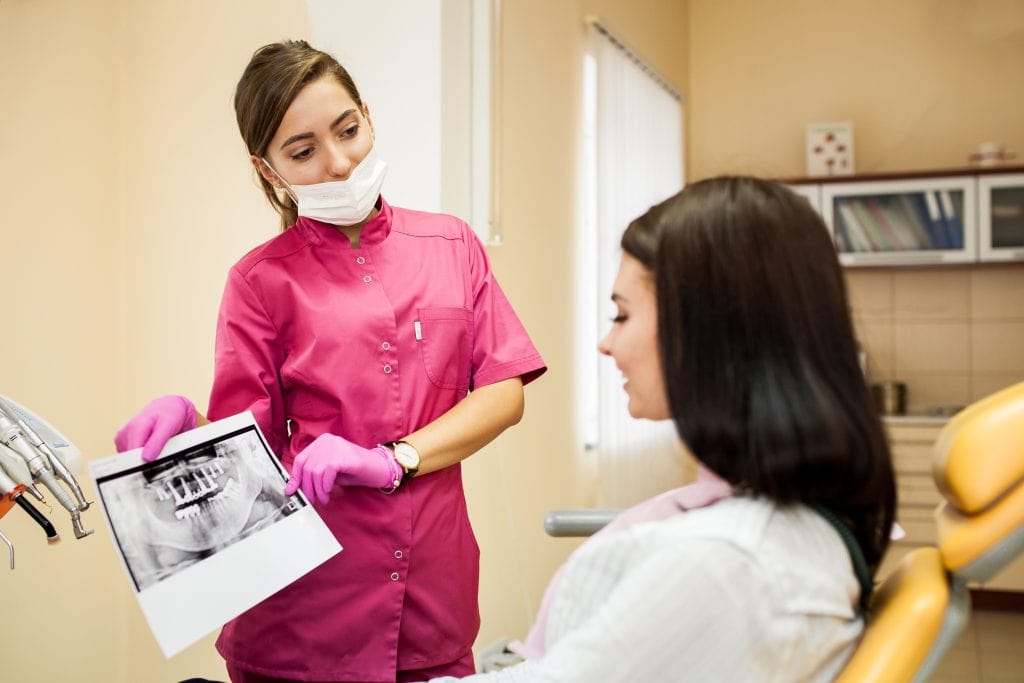
Some complications can occur during the actual canal treatment and are usually managed immediately. Understanding what may happen during the procedure allows you to feel more informed.
Instrument Separation or Breakage
Endodontic files are tiny tools used to clean and shape the canal system inside your tooth. During treatment of complex root systems or curved canals, these instruments can occasionally separate within the canal. This happens due to challenging anatomy, not necessarily due to error.
When instrument separation occurs, your dentist has several management options:
- Instrument Retrieval:
The separated fragment can often be carefully removed using specific techniques and ultrasonic instruments. This allows the cleaning process to continue as normal and the canal treatment to proceed as planned. - Bypass Technique:
Sometimes, the dentist can work around the separated instrument to clean the remaining canal space. The fragment is left in place whilst the rest of the canal is thoroughly cleaned and sealed. - Incorporation Into Filling:
If removal isn’t possible, the separated fragment can be incorporated into the final filling material. Research indicates this doesn’t necessarily compromise success rates when the canal was adequately cleaned before separation.
Root or Canal Perforation
Perforations are unintended holes created during access preparation or canal instrumentation when working inside your tooth. These may occur more commonly in curved roots, teeth with unusual anatomy, or heavily calcified canals. The size and location of any perforation significantly determine the management approach and prognosis.
Management approaches depend on the specific circumstances:
- Small Perforations:
These can often be sealed immediately using biocompatible materials specifically designed for this purpose. When detected and addressed promptly, small perforations generally have favourable outcomes and don’t compromise overall root canal treatment. - Larger or Poorly Located Perforations:
These may require more complex treatment approaches, including possible referral to another dental professional. The location matters significantly—perforations near the tooth’s crown generally have better prognoses than those deeper in the root. - Timing of Detection:
Early detection during the procedure allows immediate management and usually results in better outcomes. Modern magnification and imaging help dentists identify perforations quickly so appropriate sealing can occur before infection develops.
Missed Canals
Tooth anatomy is complex and can vary significantly between individuals, with some teeth having extra canals beyond what’s typical. For example, a back tooth that commonly has three canals might have four or even five in certain patients. This anatomical variation means additional canals can sometimes remain undetected during initial treatment.
Modern technology helps identify complex anatomy more reliably:
- Advanced Imaging:
CBCT scans provide three-dimensional views of your tooth’s internal structure, helping identify extra canals before treatment begins. X-rays taken from multiple angles also assist in detecting anatomical variations that might otherwise be missed. - Magnification and Illumination:
Dental operating microscopes and special lighting allow dentists to see inside the tooth more clearly. These tools significantly improve the ability to locate all canals, including small accessory canals that were historically difficult to find. - Anatomical Knowledge:
An experienced dentist understands common variations in tooth anatomy and actively looks for extra canals in teeth where they’re more likely. Continuing education keeps practitioners updated on current research about complex root systems and detection techniques.
When missed canals contain bacteria and infected tissue, persistent infection may require retreatment or referral to another dental professional with advanced training in this area.
Potential Complications in the Days and Weeks Following Treatment
After a root canal procedure, mild pain usually peaks within two to three days and then eases over the first week. If discomfort worsens or new symptoms develop later, this may indicate complications of a root canal treatment that require professional assessment.
Postoperative Root Canal Infection
Despite thorough cleaning during your root canal treatment, infection can sometimes develop if bacteria re-enter the canal during healing. It can also occur if your immune system is compromised or if stubborn bacteria weren’t completely eliminated.
Signs that may indicate a developing infection include the following:
- Increasing Pain:
Pain that worsens rather than improves after the first few days may signal infection developing in the affected tooth or surrounding bone. - Swelling:
Noticeable swelling in your gums, face, or jaw that develops or increases after treatment indicates your body is responding to infection. - Fever:
A temperature above 38°C (100.4°F) that develops after your dental procedure suggests the infection may be spreading beyond the tooth. - Abscess Formation:
A pimple-like bump on your gum near the affected tooth may drain pus and indicate an active infection requiring immediate care. - Foul Taste or Odour:
A persistent bad taste in your mouth or an unpleasant odour that wasn’t present before can signal an infection or a breakdown of the seal.
If you experience these symptoms, contact your dentist immediately rather than waiting for your scheduled follow-up appointment. Early intervention helps prevent the infection from spreading and protects your overall well-being.
Persistent or Worsening Pain
Some sensitivity after root canal therapy is expected as your body heals, but discomfort should gradually decrease over time. Pain that persists beyond a week or becomes throbbing in nature may indicate a complication.
Possible causes of persistent or worsening tooth pain include the following:
- Incomplete Cleaning:
If bacteria or infected pulp tissue remain in the canal system, inflammation and discomfort can continue in the affected tooth. - Missed Canals:
Additional canals that weren’t located during the initial treatment may harbour an infection that causes ongoing symptoms and prevents complete healing. - High Restoration:
If your temporary filling or crown sits too high, it can cause pain when you bite down due to excessive chewing force. - Referred Pain:
Sometimes discomfort from nearby teeth or jaw structures can feel like it’s coming from the affected tooth, making diagnosis more challenging.
Contact your dental clinic if pain continues beyond one week, worsens after initial improvement, or doesn’t respond to over-the-counter pain relievers.
Tooth Fracture or Structural Complications
Teeth that need root canal treatment often have significant structural damage from deep cavities, large fillings, or cracks. When the dental pulp and blood vessels are removed during endodontic treatment, the tooth loses its internal nourishment and becomes more brittle. This makes the tooth more vulnerable to fracture, particularly before a custom crown is placed.
Getting a crown placed within a few weeks of your root canal procedure is super important for preventing tooth fracture. If you experience sharp pain when biting, sudden sensitivity to hot or cold, or visible crack lines, contact your dentist immediately. Avoid chewing hard or sticky foods with the affected tooth until your custom crown is in place to minimise the risk.
Long-Term Complications: Failed Root Canal Treatment and Reinfection
Some complications may not appear until months or even years after your root canal treatment, with reinfection being the primary long-term concern. This doesn’t necessarily mean your initial treatment was poorly performed—biological factors and complex anatomy can sometimes lead to delayed issues.
Your tooth can become reinfected over time through several pathways:
- Coronal Leakage:
The seal between your filling or crown and the tooth can deteriorate gradually, allowing bacteria to re-enter the canal system. This breakdown may occur due to normal wear, dental trauma, or the natural ageing of dental materials. - New Decay:
Tooth decay developing around the edges of your crown or filling can create pathways for bacteria to reach the root canal. This is why maintaining good oral hygiene and regular dental check-ups remains essential even after successful root canal therapy. - Persistent Bacteria in Complex Anatomy:
Some bacteria can survive in the tiny branches of the canal system, which are difficult to access during treatment. These stubborn bacteria may remain dormant for extended periods before causing a new infection months or years after your original treatment.
Signs that may indicate your tooth has become reinfected include the following:
- Recurrence of Previous Symptoms:
If tooth pain, sensitivity, or discomfort that subsided after treatment returns, this may signal that infection has returned to the affected tooth. - Swelling or Tenderness:
New swelling around the tooth or gum tissue, or tenderness when your dentist taps the tooth, can indicate infection developing in the surrounding bone. - Radiographic Changes:
Your dentist may detect early signs of bone loss or dark areas around the tooth’s root on X-rays during routine check-ups, often before you feel any symptoms. - Pimple-Like Bump:
A recurring abscess or pimple-like bump appearing on your gum near the previously affected tooth suggests active infection that needs immediate attention.
A failed root canal treatment doesn’t automatically mean you’ll lose your natural tooth—retreatment can often be successful. Regular dental check-ups with periodic X-rays help detect early signs of reinfection before symptoms develop.
Warning Signs That Require Immediate Professional Attention
Knowing when to contact your dentist immediately versus when symptoms can wait is important for your oral health. Many complications are manageable when addressed promptly, and it’s always better to have concerning symptoms evaluated than to wait.
Contact your dentist the same day if you experience:
- Persistent or Worsening Pain:
Pain that doesn’t improve after three to four days, intensifies despite pain relievers, or becomes throbbing indicates possible infection or other complications. - Swelling Around the Tooth or Gums:
Noticeable swelling in your gum tissue, jaw, or face that develops or increases after treatment suggests your body is responding to infection. - Visible Pimple-Like Bump:
A bump on your gum near the affected tooth that may release pus signals an abscess forming and needs prompt attention. - Loose or Lost Temporary Filling:
If your temporary filling falls out or feels loose, bacteria can re-enter the canal and compromise your treatment outcome. - Persistent Bad Taste or Odour:
An unpleasant taste or smell that doesn’t go away with brushing may indicate infection or seal breakdown in the affected tooth. - Tooth Feels Different When Biting:
If the tooth feels high when you bite down, or you experience sharp pain with chewing force, your restoration may need adjustment.
Seek emergency care immediately (emergency room or after-hours dental service) if you experience:
- Severe Swelling Affecting Breathing or Swallowing:
Swelling that extends to your neck, floor of mouth, or makes it difficult to breathe or swallow requires immediate emergency attention. - High Fever Above 38.5°C (101°F):
A high fever combined with dental symptoms suggests the infection may be spreading beyond the tooth into your body and requires urgent medical evaluation. - Rapidly Spreading Swelling:
Swelling that noticeably worsens over a few hours or spreads quickly to other areas of your face or neck indicates a serious infection. - Difficulty Opening Your Mouth:
If swelling or pain prevents you from opening your jaw normally, this may indicate a spreading infection affecting surrounding tissues and muscles. - Severe Uncontrolled Pain:
Pain that doesn’t respond to prescribed or over-the-counter pain relievers and significantly affects your ability to function warrants immediate evaluation and management.
If you’re not certain about whether your symptoms require immediate attention, contact your dental clinic for guidance. Remember, seeking care promptly when complications arise helps protect your affected tooth and prevents minor issues from becoming more serious problems.
How Complications Are Diagnosed and Managed
When you visit your dentist with concerns about your root canal treatment, they’ll conduct a thorough evaluation to identify the source of your symptoms. Understanding this diagnostic process can help you know what to expect during your appointment.
Diagnostic methods your dentist may use include the following:
- Clinical Examination:
Your dentist will visually inspect the affected tooth, surrounding gums, and nearby teeth for signs of swelling, discolouration, or other visible changes. They’ll check the integrity of your filling or crown and look for any cracks, gaps, or areas where the seal may have broken down. - Radiographs (X-rays):
Periapical X-rays provide detailed images of your tooth’s root and the surrounding bone, helping identify infections, bone loss, or issues with the canal filling. In complex cases, your dentist may recommend a CBCT scan, which creates three-dimensional images showing missed canals, root fractures, or the extent of infection. - Percussion Testing:
Your dentist will carefully tap on the affected tooth and nearby teeth to assess sensitivity and identify inflammation in the surrounding bone. This simple test helps determine if the infection has spread beyond the tooth itself into the supporting structures. - Symptom History Assessment:
Your dentist will ask detailed questions about when your symptoms started, what makes them better or worse, and how they’ve changed over time. This information, combined with clinical findings, helps establish an accurate diagnosis and appropriate treatment plan.
Once your dentist identifies the complication, they’ll recommend a suitable management approach based on your specific situation.
Treatment approaches for managing complications include the following:
- Retreatment (non-surgical root canal revision):
This involves removing the old filling material, cleaning any missed canals, clearing lingering bacteria, and resealing the tooth to promote better healing. - Apicoectomy (endodontic surgery):
A small incision at the gumline provides access to the root tip so infected tissue can be removed and the canal sealed from the base. - Antibiotic therapy:
Medication may be prescribed to reduce bacterial activity while further dental care addresses the source of infection. - Crown or filling replacement:
A new restoration may be placed if leakage occurs, preventing bacteria from entering the root canal space again.
Preventing Root Canal Complications: What You Can Do
A root canal treatment is a dental procedure designed to remove infected pulp from the tooth’s soft centre and preserve your natural tooth. Although root canal complications can occur due to curved canals, complex root systems, or individual healing, your involvement greatly contributes to positive results.
Steps you can take to help prevent complications include the following:
- Choose an Experienced Dentist:
A dentist familiar with root canal therapy can navigate tricky canals, stubborn bacteria, and infected tissue. This lowers the chance of root canal infection or a failed root canal procedure. - Follow Pre-Operative Instructions:
If medications or avoiding certain foods are advised before the root canal procedure, following this guidance supports your body and reduces the risk of further issues. - Adhere to Postoperative Care Guidelines:
Maintain good oral hygiene, avoid chewing on the affected tooth early on, and follow medication advice to protect the filling material and promote healing inside the canal. - Attend All Follow-Up Appointments:
Regular dental check-ups and X-rays allow early detection of swelling, severe pain, a pimple-like bump, or other warning signs that the infection returns or a new infection occurs. - Maintain Good Oral Hygiene:
Brush twice daily, floss daily, and follow cleaning process recommendations to keep bacteria low around the affected tooth and prevent new cavities or gum disease affecting the surrounding bone. - Get Timely Crown Placement:
A crown placed within a few weeks supports chewing force on the back tooth and lowers the risk of tooth fracture or internal damage caused by pressure. - Avoid Chewing on the Affected Tooth:
Hard or sticky foods can strain brittle enamel and may lead to further damage while waiting for the tooth’s crown after initial treatment. - Keep Regular Dental Check Ups:
Ongoing monitoring supports early intervention if discomfort, persistent pain, tooth discolouration, or signs of an infected root canal appear, protecting your overall well-being.
If symptoms like hot or cold sensitivity, jaw swelling, fever, or bad taste happen after treatment, contact your dentist immediately to assess the affected tooth and prevent further complications.
When to Consider Retreatment or Alternative Options
When root canal complications arise or the original treatment does not clear away the infection, your dentist will discuss options to protect your oral health and the affected tooth. Understanding these choices supports informed decision-making.
Retreatment involves removing old filling material, cleaning and shaping the infected root canal again, and placing new filling material to address missed canals, stubborn bacteria, or a failed root canal. Success rates depend on canal accessibility, remaining tooth structure, and the reason the initial treatment did not succeed.
Here are alternative treatment options to discuss with your dentist:
- Apicoectomy (Endodontic Surgery):
A small incision gives access to the very tip of the root so infected tissue can be cleared and the canal sealed from the bottom, allowing the surrounding bone to recover. - Extraction Followed by Dental Implant:
If severe pain, bone loss, or internal damage prevents further treatment, removing the tooth may be advised. A dental implant can replace the extracted tooth and restore chewing force similar to a natural tooth. - Extraction Followed by Bridge or Partial Denture:
A dental bridge or partial denture can fill the empty space after extraction to support nearby teeth and jaw function when implants are not the preferred approach. - Watchful Waiting With Monitoring:
If the affected tooth has no discomfort, swelling, sensitivity to hot or cold, or pimple-like bump, your dentist may recommend regular dental check-ups and X-rays to monitor the area rather than proceed immediately with further treatment.
Your dentist will assess the tooth’s location in the mouth, complex anatomy, how the tooth handles pressure when you bite, and overall well-being before recommending a pathway. Clear sign symptoms such as persistent pain, bad taste, or gum changes near the affected tooth should be reviewed promptly to minimise risks and protect your healthy smile.
Final Thoughts
While uncommon, complications of a root canal treatment are important to understand and recognise early. Many are manageable with appropriate and timely intervention when you know the warning signs to watch for. Awareness empowers you to seek care promptly rather than causing unnecessary worry about your dental procedure.
Achieving positive outcomes from root canal therapy requires a partnership between you and your dentist, working together towards your oral health. Your role includes following postoperative instructions carefully, attending all scheduled follow-ups, and reporting any concerning symptoms to your dentist promptly. Your dentist’s role involves using proper technique, conducting thorough evaluations, and making appropriate referrals when needed for complex cases.
Root canal therapy remains a preferred approach for preserving compromised teeth, with high success rates when performed and maintained properly. If you’re experiencing concerns about a previous root canal therapy or considering the procedure, contact Darch Dental Centre for a comprehensive evaluation. Our team provides a thorough assessment and personalised care tailored to your individual needs.
Our Registered Dental Practitioners
All dental services at Darch Dental Centre are provided by registered dentists with the Australian Health Practitioner Regulation Agency (AHPRA).
- Dr Jon (Junyi) Ho – General Dentist (Registration No. DEN0001580649)
- Dr Elaine Tseu – General Dentist (Registration No. DEN0001580664)
- Dr Elizabeth Day – General Dentist (Registration No. DEN0001580078)
- Dr Ryan Chan Jing Jie – General Dentist (Registration No. DEN0002781703)



 Cosmetic Dentistry
 General Dentistry
 Dental Implants
 Emergency Dentist
 Orthodontics
 Sleep Dentistry