
 By Dr. Jon ( Junyi ) Ho
 Severe tooth pain that wakes you at night or makes it hard to concentrate may signal a dental issue needing prompt attention. An infected or severely damaged tooth pulp can cause intense discomfort that affects your ability to eat, sleep, or focus on daily tasks. Emergency root canal treatment may be recommended when infection shows signs of spreading rapidly, or pain remains difficult to manage despite over-the-counter pain relief. Understanding the warning signs helps you determine whether your situation requires immediate dental care or can wait for a scheduled appointment.
Some dental infections develop gradually and can be managed with a planned visit, while others progress quickly and demand urgent intervention. Signs of an emergency root canal, such as severe swelling of your face or neck, a high fever with tooth pain, or an inability to control pain with medication, indicate you should seek immediate dental assessment. Your dentist will evaluate the extent of infection and determine the most appropriate treatment timeline based on clinical examination and diagnostic imaging. Prompt professional evaluation can help support your oral health and may reduce the risk of complications
Contents Navigation
- 1 Summary of the Content:
- 2 What Is Root Canal Therapy?
- 3 When Does Root Canal Therapy Become an Emergency?
- 4 Recognising Signs That May Require Emergency Root Canal Treatment
- 5 What to Expect During Emergency Root Canal Treatment
- 6 Risks of Delaying Emergency Treatment
- 7 Post-Emergency Root Canal Care and Recovery
- 8 Reducing Emergency Dental Situations
- 9 Final Thoughts
Summary of the Content:
- Root canal therapy is a dental procedure that addresses infection or damage within the tooth’s pulp. It aims to preserve the natural tooth where clinically appropriate.
- Emergency treatment may be required when symptoms worsen rapidly or indicate a spreading infection. Prompt professional assessment helps reduce the risk of complications.
- Routine root canal cases involve symptoms that remain stable and do not require immediate intervention. These situations allow treatment to be planned and scheduled appropriately.
- Emergency scenarios may include severe pain, swelling, fever or difficulty swallowing or breathing. These signs suggest potential progression of infection and require urgent attention.
- Physical and systemic changes, such as teeth discolouration or fever, may indicate advancing disease. Early assessment facilitates timely management.
- Emergency root canal care involves examination, imaging and removal of infected tissue under local anaesthesia. Follow-up appointments support healing and long-term tooth preservation.
- Delaying treatment may increase the risk of abscess formation.
What Is Root Canal Therapy?
Root canal therapy in Perth is a dental procedure designed to address infection or damage within the soft inner tissue of a tooth, known as the pulp. The pulp sits beneath the enamel and dentine layers and contains nerves, blood vessels, and connective tissue that support tooth development. When decay, cracks, or repeated dental work allow bacteria to reach this area, infection can occur, often causing discomfort or swelling.
In some situations where symptoms escalate suddenly, patients may even require emergency dental root canal care to alleviate pain and prevent further complications. Root canal treatment involves carefully removing the infected pulp, cleaning the inner chamber, and sealing it to help prevent further bacterial entry.
This approach may help preserve your natural tooth rather than requiring extraction, which can be beneficial for maintaining jaw structure and bite function. During the procedure, your dentist removes the damaged tissue, disinfects the root canals, and fills them with a biocompatible material before placing a crown. Many patients find the process more comfortable than they expected, especially with modern techniques and anaesthesia options available. Outcomes vary between individuals, and your dentist will assess whether this procedure is clinically appropriate for your specific situation.
When Does Root Canal Therapy Become an Emergency?
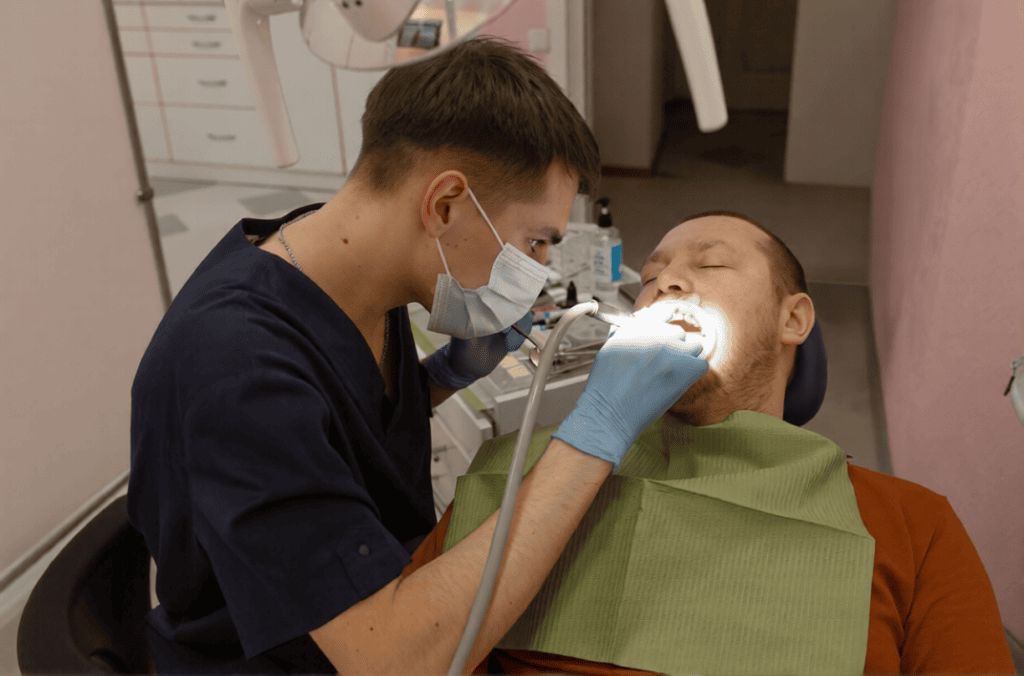
Root canal treatment is often performed as a planned procedure following diagnosis and consultation—but there are situations where immediate professional attention may be necessary. Knowing the difference between symptoms that can wait for a scheduled appointment and those that may require urgent care can help you understand your dental care options. Emergency root canal treatment is considered when specific warning signs indicate rapid progression or complications requiring prompt evaluation.
Routine Root Canal Scenarios
Root canal treatment may be recommended in several dental situations. Understanding common scenarios can help you identify when this procedure might support your oral health, particularly in cases requiring emergency dental root canal care.
- Mild to Moderate Discomfort:
You may experience manageable tooth pain or sensitivity that doesn’t significantly interfere with your daily activities. - Temperature Sensitivity That Responds to Pain Relief:
Your tooth might be sensitive to hot or cold temperatures, and this discomfort can be managed with over-the-counter pain relief medication. - Diagnosed Infection That Remains Stable:
Your dentist has identified an infection in the tooth’s pulp through examination and imaging, but it has not spread beyond the tooth. - Absence of Swelling or Spreading Infection:
There are no visible signs of facial swelling, abscess formation, or indication that the infection is spreading to surrounding tissues. - Symptoms Allow for Scheduled Treatment:
Your condition is stable enough that treatment can be planned and scheduled at a convenient time rather than requiring immediate emergency intervention.
If you’re experiencing any tooth pain or sensitivity, we recommend booking a consultation so we can assess your specific situation and discuss appropriate treatment options.
Emergency Root Canal Cases
Certain dental situations require immediate professional attention and cannot wait for a scheduled appointment. If you’re experiencing any of the following symptoms, contact an emergency dentist for a root canal without delay.
- Severe, unmanaged pain:
If you’re experiencing an intense toothache that over-the-counter medication cannot control, this may indicate an advanced infection requiring urgent assessment. - Rapidly worsening symptoms:
Dental pain or sensitivity that escalates quickly over hours rather than days can signal an acute infection that needs prompt intervention. - Facial, jaw, or neck swelling:
Visible swelling in these areas may indicate that the infection is spreading beyond the tooth, which requires immediate dental or medical evaluation. - Fever with dental pain:
The presence of fever alongside toothache suggests your body is responding to infection, and this combination warrants urgent professional care. - Difficulty swallowing or breathing:
These symptoms may indicate that swelling from a dental infection is affecting your airway or throat, constituting a medical emergency requiring immediate attention. - Pus discharge:
If you notice pus draining from around a tooth or gum area, this indicates active infection that should be assessed and addressed promptly. - Visible abscess:
A dental abscess appears as a swollen, pus-filled area near the affected tooth and represents a serious infection requiring urgent dental treatment.
Many patients seek root canal therapy in Perth to relieve severe tooth pain and preserve damaged teeth. If you’re experiencing any of these symptoms, we recommend seeking prompt professional assessment. Early evaluation may help reduce the risk of progression and support treatment options aimed at preserving the tooth where clinically appropriate.
Recognising Signs That May Require Emergency Root Canal Treatment
When dental issues progress beyond routine discomfort, knowing which symptoms require urgent attention can help you seek timely care. Root canal infections don’t always announce themselves dramatically—sometimes symptoms develop gradually, while other times they appear suddenly and intensely. Understanding the warning signs of an emergency root canal can help you recognise when to contact your dentist, supporting timely care and reducing the risk of complications.
Pain Characteristics
When dental pain becomes severe and throbbing, it often signals a problem that requires professional assessment. Pain that disrupts sleep, impairs concentration, or radiates to your jaw, ear, or neck typically warrants prompt evaluation. Rapidly worsening pain intensity may indicate an infection or inflammation needing attention, though everyone experiences discomfort differently.
If you’re experiencing persistent or severe dental pain, contact your emergency dentist for a root canal assessment as soon as possible. They can examine the affected area, identify the underlying cause, and discuss appropriate management options. Early professional evaluation may help reduce the risk of complications and support appropriate treatment planning.
Infection Indicators
If you notice swollen or tender gums, this may signal inflammation or infection developing in the tissue surrounding your tooth. A visible abscess, sometimes called a “gum boil” or “gum pimple,” indicates trapped infection that needs prompt attention. Pus discharge, along with a foul taste or unusual odour, suggests active bacterial infection requiring professional dental assessment.
When swelling extends beyond the immediate tooth area or you notice lymph node swelling in your neck, the infection may be spreading. These signs indicate your body is responding to a more significant issue that requires urgent dental care. Contact our clinic promptly if you experience any of these symptoms, as early intervention can help manage infection more effectively.
Systemic Symptoms
When a dental infection progresses beyond its initial site, your body may develop systemic symptoms. This occurs as your immune system responds to the spreading infection. Fever can indicate the infection is spreading, often accompanied by chills, fatigue, and general malaise. Swollen lymph nodes in your neck or jaw may become more noticeable as your body fights the infection. These warning signs of an emergency root canal require prompt assessment by a registered dental practitioner to prevent potential complications.
In some situations, spreading infections may affect breathing patterns and heart rate, as well as cause difficulty swallowing. These symptoms may signal serious complications requiring urgent dental care, particularly when the fever exceeds 38.5°C or other red flags are present. If you experience any combination of these systemic symptoms with pain or swelling, contact your dentist promptly. Early professional assessment can help address the infection and reduce the risk of progression.
Physical Changes
When a tooth becomes severely decayed or damaged, you may notice distinct physical changes that signal the need for prompt dental attention. Discolouration is often one of the first visible signs—your tooth may appear grey, dark brown, or even black as the inner pulp tissue begins to die. You might also notice the tooth feels loose or mobile, which occurs when infection spreads to the surrounding bone and ligament structures that normally hold the tooth firmly in place.
As decay progresses deeper into the tooth, visible damage may expose the pulp—the soft tissue containing nerves and blood vessels at the tooth’s centre. This exposure can sometimes cause sharp pain when eating or drinking, though in some cases the tooth may feel numb if the nerve has died. If you notice any of these physical changes, contact your dentist promptly for an assessment, as early intervention may help preserve the tooth and prevent complications.
What to Expect During Emergency Root Canal Treatment
If you’re experiencing severe tooth pain that’s brought you here, you’re likely feeling worried about what happens next. Emergency root canal treatment is designed to address urgent dental issues that can’t wait for a routine appointment, helping relieve discomfort and, where possible, preserve your natural tooth. Understanding what to expect during the process can help you feel more prepared as you move forward with treatment.
Initial Emergency Assessment
When you arrive for an emergency dental assessment, your dentist will first conduct a thorough clinical examination of the affected area. X-ray imaging may be taken to assess the extent of any infection, damage, or underlying issues. Your dentist will discuss your symptoms, medical history, and any medications you’re currently taking to fully understand your situation. Based on these findings, they’ll develop a treatment plan and explain your options, providing the information you need to consider your next steps.
The Emergency Procedure
During an emergency root canal, your dentist will first administer a local anaesthetic to numb the treatment area. For patients who experience dental anxiety, sedation options may be available — our team can discuss sleep dentistry choices during your consultation. The tooth is then isolated using a dental dam, which helps keep the area clean and dry throughout the procedure.
Your dentist will carefully assess the pulp chamber and remove the infected tissue from inside the tooth. The root canals are thoroughly cleaned and disinfected to address the infection, then filled with a biocompatible material to seal them. A temporary or final restoration is placed to protect the tooth, and the procedure typically takes 60-90 minutes, though this can vary depending on individual circumstances.
Follow-Up Care
After a root canal, your dentist will schedule a follow-up appointment to check healing and discuss the next steps. Most patients need a crown placed within a few weeks to protect the preserved tooth from damage. Healing usually takes a few days to a week, though individual experiences may vary depending on factors like tooth location and complexity. Your dentist will provide specific guidance on what to expect and when to return for crown placement.
Risks of Delaying Emergency Treatment
When a dental infection or acute dental condition is not addressed, the underlying problem can progress and become more difficult to manage. Delays may allow symptoms to intensify and increase the likelihood that additional areas of the mouth or surrounding structures become involved. Seeking a timely professional assessment supports early identification of concerns and helps guide appropriate treatment before further deterioration occurs.
Potential Complications of Infection
Unaddressed dental infections may progress and affect surrounding tissues. Early clinical assessment supports timely management and helps reduce the risk of complications.
- Spread to Surrounding Bone and Tissue:
The infection may extend from the tooth into the surrounding jawbone and soft tissues. This can cause increased swelling and discomfort and may require more extensive treatment. - Abscess Formation and Potential Spread:
An abscess (a pocket of pus) can develop at the infection site. Without treatment, the infection within an abscess may spread to other areas, potentially affecting nearby structures. - Progressive Loss of Tooth Structure:
Ongoing infection can continue to damage the tooth’s internal structure and surrounding bone. This may reduce treatment options over time and could affect the tooth’s long-term viability. - Potential Systemic Health Concerns:
In some cases, bacteria from a dental infection can enter the bloodstream. While uncommon, this can lead to health concerns beyond the mouth, particularly for individuals with certain pre-existing health conditions. - Impact on Adjacent Teeth:
The infection may affect neighbouring teeth and their supporting structures. This can compromise the health of otherwise healthy teeth in the area.
If you’re experiencing symptoms of a dental infection, contact our clinic promptly to arrange an assessment and discuss appropriate treatment options.
Impact to Quality of Life
Living with ongoing tooth pain can significantly affect your daily activities. When discomfort persists, tasks like eating, speaking, or concentrating at work or school may become challenging. Many people find that chronic dental pain disrupts their sleep, leaving them feeling tired and less able to function effectively during the day.
Beyond physical discomfort, persistent tooth pain can impact your nutrition if you avoid certain foods due to sensitivity or pain. This may lead to dietary limitations that affect your overall well-being over time. If you’re experiencing ongoing dental discomfort, we encourage you to book a consultation so we can assess the cause and discuss suitable treatment options.
Post-Emergency Root Canal Care and Recovery
Recovery after an emergency root canal involves a healing process that varies between individuals, though most experience mild discomfort that subsides within a few days. Understanding what to expect during this period—and how to care for your tooth afterwards—can help support healing and protect your long-term oral health. Below, we’ll walk through the immediate recovery phase, essential follow-up care, and what you can do to help your preserved tooth.
Immediate Recovery (24-48 hours)
After an emergency root canal, mild soreness and tenderness around the addressed tooth are common for 24-48 hours. Over-the-counter pain relief medication can help manage this discomfort, though you should follow the dosage instructions carefully. If pain persists beyond a few days or worsens, contact your dentist for guidance.
Stick to soft foods and avoid chewing on the side where the procedure was performed while your mouth heals. Continue your regular oral hygiene routine by brushing and carefully flossing around the affected area. Your dentist will provide specific aftercare instructions tailored to your situation during your appointment.
Follow-Up Care
After root canal treatment, completing your follow-up care is essential for long-term tooth health and function. Your dentist will schedule appointments to monitor healing and discuss whether a crown is recommended to protect the preserved tooth. Crown placement timing varies based on individual healing and tooth structure, typically within a few weeks to months. Contact your dentist promptly if you experience worsening pain or swelling, or if you have any concerns during your recovery.
Long-Term Outlook
Root canal treatment has a high success rate, with clinical studies suggesting that approximately 85–95% of preserved teeth can function well for many years when properly maintained. The long-term outlook depends on factors like the tooth’s condition before treatment, the quality of the restoration, and your ongoing oral hygiene habits. To help preserve your addressed tooth, continue brushing twice daily, flossing regularly, and attending dental checkups every six months for professional monitoring. Your dentist will assess the tooth during routine visits to identify any concerns early, supporting the longevity of your root canal treatment and overall oral health.
Reducing Emergency Dental Situations
Preventing dental emergencies starts with consistent care and attention to your oral health. Here are practical steps you can take:
- Schedule Regular Dental Checkups:
Routine visits allow your dentist to identify potential problems before they become urgent and require immediate treatment. - Address Minor Issues Early:
Small concerns, such as slight sensitivity or minor chips, should be addressed promptly to prevent them from progressing into more complex problems. - Maintain Thorough Oral Hygiene:
Brush twice daily with fluoride toothpaste and floss daily to help prevent tooth decay and gum disease, which are common causes of dental emergencies. - Address Cavities Without Delay:
Unaddressed cavities can progress to infections or abscesses, which may require urgent care and more extensive treatment. - Use Protective Equipment During Sports:
Wearing a properly fitted mouthguard during contact sports or high-impact activities can help protect your teeth from trauma and injury. - Don’t Ignore Persistent Symptoms:
Ongoing discomfort, sensitivity, or changes in your oral health warrant professional assessment, even if symptoms seem mild at first.
Taking these preventive measures can significantly reduce your risk of experiencing urgent dental problems. If you notice any concerning changes in your oral health, contact your dentist to arrange an examination.
Final Thoughts
Deciding whether to see a dentist depends on your symptoms and their severity. Sharp pain, swelling, bleeding, or trauma warrant prompt attention. Minor sensitivity or mild discomfort may be monitored briefly, but persistent issues should not be ignored. Only a dentist can properly assess your situation and determine the most clinically appropriate option. If you’re uncertain, it’s always safer to seek professional advice rather than delay care.
Regular dental checkups help identify potential problems before they become urgent, supporting better long-term oral health. Many concerns can be addressed more easily when caught early, potentially avoiding more complex treatment later. Our team is available to discuss your symptoms and help you understand your options. If you’re considering root canal therapy in Perth, contact us today!
Any surgical or invasive procedure carries risks. Before proceeding, you should seek a second opinion from an appropriately qualified health practitioner. Individual results, recovery times, and outcomes vary.





 Cosmetic Dentistry
 General Dentistry
 Dental Implants
 Emergency Dentist
 Orthodontics
 Sleep Dentistry