
 By Dr. Jon ( Junyi ) Ho
 If you’re considering dentures in Perth, you might worry about whether they’ll look obviously artificial or noticeably different from natural teeth. This concern is completely understandable—your smile plays an important role in how you present yourself and interact with others every day. Many people feel uncertain about how dentures will affect their appearance, and these feelings are valid and worth addressing openly. The good news is that modern denture design has advanced significantly, creating natural-looking dentures that complement your features.
Your face shape, smile characteristics, and personal preferences all affect how natural your dentures appear. Factors such as tooth size, shade, shape, and how dentures are fitted to your facial structure can significantly affect the final result. With proper assessment and personalisation, dentures can be designed in alignment with your unique features and proportions. This guide provides educational information to help you have informed discussions with your dental professional and understand how to choose dentures that suit your needs.
Contents Navigation
Summary of the Content:
- This guide explains how to choose dentures based on facial features, denture design, and a personalised clinical assessment. It outlines the key considerations that support realistic, comfortable outcomes.
- Dentures may help improve facial support and contribute to a more balanced appearance. The guide explains how well-fitted dentures can influence everyday comfort.
- Face shape, tooth proportions, and midline alignment are important aesthetic factors. These features are assessed by dental professionals to guide appropriate denture design.
- Tooth shape, size, and shade options allow for customisation that suits individual characteristics. The guide also describes how gum base colours and material textures contribute to a natural result.
- Bite alignment and vertical dimension are essential to facial support and denture comfort. Proper fit and stability may help maintain facial contours over time.
- The guide outlines denture types, consultation steps, and care requirements. It emphasises that suitability and outcomes vary between individuals.
Why Natural-Looking Dentures Matter
Natural-looking dentures can play an important role in how comfortable you feel in social situations and daily interactions. When dentures fit well and suit your facial features, many people find they feel more at ease when speaking and smiling. Well-designed dentures also help maintain the natural contours of your face by supporting your lips and cheeks. This facial support may help prevent the sunken appearance that can sometimes occur with tooth loss.
Denture aesthetics has advanced significantly, offering options that differ from older designs some people remember. Today’s dentures in Perth can be customised to match your natural tooth shade, gum colour, and facial proportions more closely than before. However, outcomes vary between patients based on individual oral anatomy and healing. Your dentist will assess your specific needs during the consultation to discuss which options may be most suitable for you.
Understanding Your Face Shape & Dental Proportions
Your face shape and dental proportions can guide your dentist when selecting denture designs that complement your natural features. These clinical assessments may help create a balanced appearance tailored to your dental needs.
- Face Shape Considerations:
The basic face shapes—oval, round, square, and heart-shaped—each have distinct characteristics that influence denture tooth selection. Your dentist will consider your face shape when recommending tooth size, length, and arrangement to achieve a balanced proportion. - Tooth Size and Facial Proportions:
Denture teeth should be proportionate to your facial features; larger faces typically accommodate larger teeth, while smaller faces suit more delicate tooth sizes. The width of your smile and the size of your mouth opening also influence appropriate tooth dimensions. - Midline Alignment and Symmetry:
The dental midline—where your two front teeth meet—should ideally align with the centre of your face between your eyes and nose. Proper midline positioning and symmetrical tooth arrangement contribute to a natural, balanced smile appearance. - Natural Tooth Characteristics:
Natural teeth display subtle variations in shade, with slight colour gradation from the gum line to the biting edge. They also exhibit varying degrees of translucency at the edges and a surface texture that reflects light naturally, qualities that modern denture teeth can replicate. - The Proportion Principle:
Dental professionals consider various aesthetic principles when selecting denture teeth, though research indicates that individual facial features and patient preferences are more important than any single mathematical formula.
Good denture aesthetics involves balancing symmetry, colour tone, and tooth proportions. Your dentist will assess your facial features, measurements, and preferences during your consultation to determine the most suitable denture teeth for your specific needs.
Factors That Influence Natural Denture Appearance

A range of elements work together to determine how natural your dentures will look, and each one plays a role in how well the final result suits your facial features. The appearance of dentures is influenced by the characteristics of the prosthetic teeth and the colour of the surrounding gum material. Their overall look also depends on how the dentures interact with your jaw position during assessment and fitting. Understanding these factors can help you have more informed discussions with your dental professional.
- Tooth Selection:
Denture teeth come in various sizes, shapes, and shades to suit different facial features and personal characteristics. Your dentist will consider your facial proportions, skin tone, and age when selecting appropriate denture teeth. Factors like tooth length, width, and shade can be customised to create a natural appearance that complements your features.
Age-appropriate tooth selection plays an important role in achieving realistic denture aesthetics. Younger patients may suit slightly brighter, more uniform teeth, while mature patients often prefer subtle shade variations and texture. Your dentist will discuss these options during your consultation to help you choose teeth that look natural and suit your preferences. - Gum Tissue Colour:
The pink acrylic base of dentures is available in various shades to help match your natural gum tissue colour. Your dentist will assess your gum colour during the consultation to select an appropriate shade for your dentures. The goal is to create dentures that blend naturally with your mouth, though exact colour matching can vary between individuals.
Modern materials have improved denture aesthetics, allowing for more natural translucency and texture. Some denture bases may include subtle colour variations or stippling to more closely mimic the characteristics of natural gum tissue. Your dental professional can discuss available colour options and help determine which option is most suitable for your specific needs. - Bite Relationship:
Your bite relationship refers to how your upper and lower teeth meet when your jaw closes. When dentures are made with the proper bite alignment, they help support your facial muscles and maintain natural contours. A properly aligned bite can contribute to a more balanced facial appearance and may help reduce strain on your jaw joints.
Vertical dimension describes the space between your upper and lower jaws when your teeth are together. If dentures are made too short, your face may appear compressed, and your lips might sit closer together than naturally intended. Conversely, dentures that are too tall can create an overly stretched appearance and may cause discomfort during speaking or eating. Your dentist will carefully measure your vertical dimension during the fitting process to help achieve comfortable, natural-looking results that suit your facial structure. - Fit and Stability:
Poorly fitting dentures can affect how your face looks over time, as they may not provide adequate support for facial muscles and tissues. When dentures become loose, you might notice changes in your lip position, cheek support, or jawline appearance. A secure, well-fitted denture helps maintain facial contours and can contribute to a more natural appearance when you speak or smile.
Implant-retained dentures offer enhanced stability compared to conventional options, as they attach securely to dental implants placed in your jawbone. This stability may help reduce movement during eating and speaking, which some patients find beneficial for everyday comfort. Darch Dental Centre offers implant-retained denture options, and your dentist can discuss whether this approach is suitable for your needs and circumstances during a consultation.
Types of Dentures & Which Suits Different Needs
Understanding the different types of dentures available may help you discuss suitable options with your dentist. Learning how to choose dentures based on your oral health and lifestyle can also support more informed conversations during your consultation. Your dentist can assess your needs and recommend appropriate treatment.
- Complete (Full) Dentures:
Replace all teeth in the upper or lower jaw when natural teeth are no longer present. They rest directly on the gum tissue and are held in place by suction and oral muscles. These dentures can help restore basic oral function and support facial structure. Suitability depends on factors such as jawbone health, oral tissue condition, and individual expectations. - Partial Dentures:
Partial dentures fill gaps where some natural teeth remain. They attach to existing teeth using clasps or precision attachments for stability. This option helps maintain the position of remaining teeth while restoring appearance and function. Your dentist will assess whether your remaining teeth are strong enough to support a partial denture. - Implant-Retained Dentures:
Implant-retained dentures attach to dental implants surgically placed in the jawbone. This approach can provide stability compared to traditional dentures, particularly during eating and speaking. Darch Dental Centre offers implant-retained denture options for suitable candidates. Assessment includes evaluating bone density, overall health, and individual treatment goals. - Immediate vs Conventional Dentures:
Immediate dentures are placed on the same day as tooth extraction, allowing you to avoid being without teeth during healing. Conventional dentures are fitted after gum tissue has fully healed, typically several weeks after extraction. Each timing option involves different considerations regarding fit adjustments and adaptation periods.
Results and suitability vary between individuals. Understanding how to choose dentures that meet your functional needs and oral health condition is an important part of the process. If you’re considering dentures in Perth, a dental consultation can help determine the most suitable type.
The Consultation & Fitting Process
Understanding what happens during your denture journey can help you feel more prepared and informed. Here’s what typically occurs during the consultation and fitting process at our dental clinic.
- Initial Consultation and Assessment:
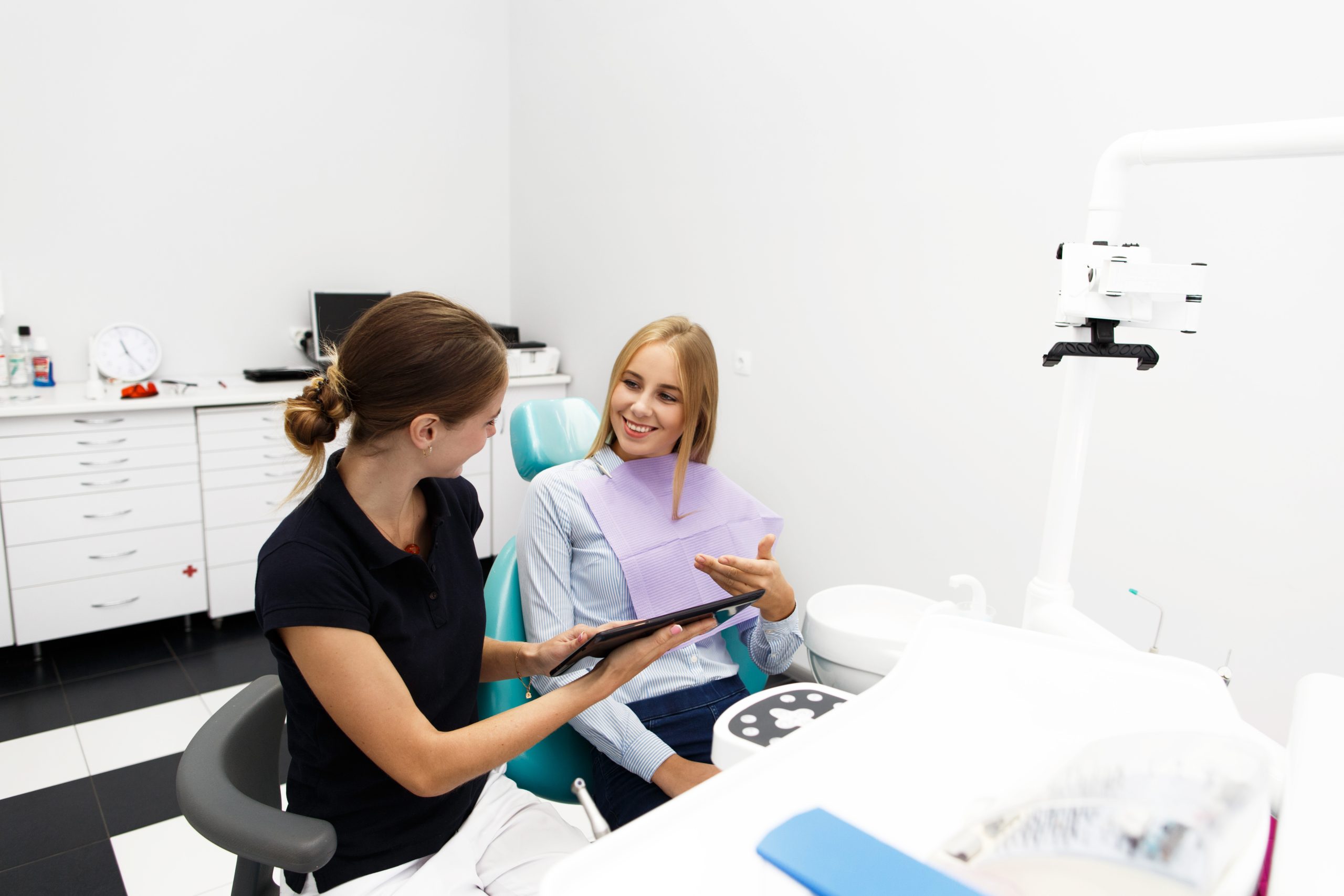
Your dentist will examine your oral health, discuss your needs, and explain suitable denture options for your situation. This appointment includes taking measurements of your mouth and jaw to help your dentist determine the fit. - Impressions and Moulds:
Accurate impressions of your gums and remaining teeth (if applicable) are taken using dental putty or digital scanning. These impressions create a precise model for your custom dentures. - Wax Try-In Appointment:
You’ll try temporary wax dentures to check the fit, bite alignment, tooth position, and overall appearance. This stage allows adjustments before your final dentures are created. - Adjustment Period:
Most patients need time to adapt to wearing dentures, which can involve learning to speak and eat comfortably with them. Some initial discomfort or difficulty is normal during the first few weeks. - Follow-Up Appointments:
Regular dental checkups help maintain proper denture fit and function. Your dentist can make necessary adjustments to improve comfort and address any issues that arise.
Multiple appointments may be required for optimal results, and the timeline varies based on individual circumstances. Your dentist will provide a realistic timeframe based on your specific needs during your consultation. If you’re considering dentures in Perth, contact us today!
Questions to Ask Your Dentist
Having the right questions prepared can help you support informed discussions about your denture treatment. Here are key topics to discuss during your consultation.
- What tooth shade and shape options are suitable for my face?
- Your dentist can explain the range of tooth colours, sizes, and shapes available and discuss which options may complement your facial features, skin tone, and age.
- How will you check for proper bite alignment?
- Ask about the methods used to assess your bite relationship, including measurements, trial fittings, and adjustments to help achieve comfortable function.
- What is the expected adjustment period?
- Understanding the typical timeframe for adapting to new dentures can help set realistic expectations, though individual experiences may vary.
- What are my options if I want more stability?
- If you’re concerned about denture movement, your dentist can discuss available options such as implant-retained dentures and explain which approaches may be suitable for your situation.
- How often will I need adjustments or replacements?
- Dentures may require periodic adjustments as your mouth changes over time. Your dentist can provide guidance on what to expect for ongoing care and eventual replacement.
These questions can help you understand the treatment process and what to expect with your dentures. Your dentist can provide personalised answers based on your dental needs and circumstances.
Caring for Your Dentures
Proper denture care helps maintain their appearance, function, and longevity. Here are the essential care principles to follow:
- Daily Cleaning Routine:
Remove and rinse your dentures after eating to clear away food particles and debris. Brush them daily with a soft-bristled brush and non-abrasive denture cleaner to prevent staining and buildup. Handle them carefully over a towel or basin of water to avoid damage if dropped. - Proper Storage:
Store your dentures in water or a denture-soaking solution when not wearing them to prevent warping. Never use hot water, as this can distort the denture shape. Keep them away from pets and children, as dentures can be easily damaged. - When to Seek Adjustments:
Contact your dentist if you experience persistent sore spots, difficulty chewing, or loose-fitting dentures. Regular dental checkups allow your dentist to assess fit and make necessary adjustments. Changes in your mouth structure over time may require denture modifications or replacement. - Expected Lifespan Considerations:
Dentures may require replacement over time, as this varies depending on individual factors, changes in your mouth, and general wear. Your jawbone naturally changes shape over time, which can affect denture fit. Regular professional assessments help determine when adjustments or replacements may be needed.
Following these care guidelines can help extend the functional life of your dentures and maintain your oral health. Your dentist can provide personalised care instructions tailored to your denture type and oral health needs.
Final Thoughts
Choosing natural-looking dentures involves careful consideration of your unique facial features, smile characteristics, and personal preferences. Personalisation is essential to achieve results that complement your appearance and support your daily comfort. Modern denture technology offers many options, but finding the right fit requires professional assessment and guidance. Your dentist can evaluate your needs and recommend approaches tailored to your situation.
At Darch Dental Centre, our team has experience supporting patients through the denture selection and fitting process. We take time to discuss your options, answer your questions, and help you understand what to expect. If you’d like to explore denture options or discuss your concerns, we’re here to help. Contact Darch Dental Centre at (08) 9303 9770 or visit us at Darch Plaza Shopping Village, Shop 17/225 Kingsway, Darch, WA 6065 to arrange a consultation.




 Cosmetic Dentistry
 General Dentistry
 Dental Implants
 Emergency Dentist
 Orthodontics
 Sleep Dentistry