
 By Dr. Jon ( Junyi ) Ho
 If you’re wearing dentures or considering them, you may wonder how long they will last. This isn’t just about planning ahead—it’s about understanding what affects your dentures’ longevity and function. Many Perth residents ask this question when exploring denture options, seeking realistic information about what to expect.
Dentures have a limited lifespan, even with thorough care and attention. This varies considerably based on type, materials, care routines, and individual biological factors. Understanding these variables helps set realistic expectations and prepares you for the natural cycle of denture use and replacement.
In this blog, if you’re asking yourself, “How long do dentures last?” you’ll find answers based on research and clinical evidence. You’ll learn about realistic denture lifespan by type and the key factors affecting denture longevity that influence functionality. We’ll share evidence-based denture care and maintenance practices that may extend their functional life, and you’ll understand when professional evaluation for replacement may be needed.
Contents Navigation
- 1 Summary of the Content:
- 2 Average Denture Lifespan: What Research Tells Us About Different Types
- 3 What Affects How Long Your Dentures Last? Understanding the Key Factors
- 4 How to Care for Your Dentures: Evidence-Based Practices That May Extend Their Life
- 5 When to Consider Denture Replacement: Recognising the Warning Signs
- 6 Supporting Your Denture Longevity with Professional Care
- 7 Final Thoughts
Summary of the Content:
- Complete dentures generally last 5-10 years with proper denture care and maintenance, though individual experiences vary based on multiple factors.
- Implant-supported dentures may last 10-15 years or longer due to their stable foundation, while immediate dentures serve as short-term options during healing.
- Material quality and construction methods play a significant role in denture durability and resistance to wear over time.
- Biological changes in jaw structure and oral tissues often determine when dentures need replacement, independent of the denture’s physical condition.
- Daily cleaning routines, overnight soaking, and proper handling can help preserve denture materials and may extend their functional life.
- Factors affecting denture longevity include dietary habits, parafunctional habits like teeth grinding, and the consistency of professional maintenance.
- Warning signs for replacement include physical damage, fit changes, functional problems, and the age of your dentures reaching 7-10 years.
- Regular dental check-ups every 6-12 months allow professionals to monitor denture condition and provide timely interventions that may extend their usable life.
Average Denture Lifespan: What Research Tells Us About Different Types
When patients ask, “How long do dentures last?” the answer depends significantly on the type of dentures you wear and your individual circumstances. Different denture types have different expected lifespans based on their design, materials, and how they interact with your oral structures. Research provides average ranges rather than certainties for individuals, as multiple factors influence actual longevity for each person.
Complete (Full) Dentures
Research indicates that complete dentures may last 5-10 years when properly maintained through consistent care routines. Studies published in peer-reviewed dental journals report a weighted mean longevity of around 10 years. Upper (maxillary) dentures may last slightly longer than lower (mandibular) dentures according to clinical research, though this varies between individuals.
Factors affecting individual variation:
- Material quality and fabrication:
Higher-quality materials and professional construction methods can support longer functional life for your dentures. - Oral hygiene practices:
Consistent daily cleaning and proper care routines may help prevent premature deterioration of denture materials and structure. - Jaw bone changes:
Natural bone resorption occurs in all denture wearers, affecting fit over time, regardless of denture condition. - Usage patterns:
How you use your dentures daily, including dietary choices and habits, influences wear patterns and longevity. - Professional maintenance:
Regular dental evaluations help determine your specific denture condition and identify needs for adjustments or replacement.
Partial Dentures
Partial dentures have a similar expected denture lifespan to complete dentures, ranging from 5-10 years with appropriate care. Metal framework partials may demonstrate slightly longer durability than all-acrylic versions. The presence of remaining natural teeth can influence partial denture longevity.
Unique considerations for partial dentures:
- Reliance on existing teeth:
Partial dentures depend on your remaining natural teeth for support, stability, and retention during daily use. - Natural tooth changes:
Changes to supporting natural teeth over time can affect partial denture fit, function, and overall stability. - Dual care requirements:
Regular dental care for both your dentures and natural teeth becomes essential for maintaining oral health and denture function. - Attachment wear:
Clasps and attachments that connect to natural teeth may experience wear and require adjustment or replacement over time.
Implant-Supported Dentures
Implant-supported dentures may last 10-15 years or longer with proper maintenance and regular professional care. The dental implants themselves can last much longer than the denture prosthesis attached to them. The prosthetic component may need replacement while the implants remain stable and functional.
Why implant-supported dentures may last longer:
- Stable foundation:
Implants provide support that doesn’t change with jawbone resorption, unlike traditional dentures resting on gum tissue. - Reduced material wear:
Improved stability and fit reduce stress and wear on the denture material during chewing and speaking. - Secure attachment:
Less movement from secure implant attachment means less friction and stress on denture components over time. - Prosthetic replacement:
While the denture component experiences wear and may need eventual replacement, the implant foundation remains stable for decades.
Immediate/Temporary Dentures
Immediate dentures serve as a temporary option following tooth extraction and during the healing period. These dentures last only a few months to one year as they accommodate significant tissue changes.
Purpose and transition considerations:
- Healing accommodation:
Immediate dentures provide function and appearance while your gums and jawbone heal following extractions. - Temporary timeframe:
These dentures are understood to be short-term devices that will be replaced once healing is complete. - Final denture set:
You’ll transition to your final dentures once your gums and bone have stabilised, which can take several months. - Adjustment needs:
Frequent adjustments may be needed during healing as tissues change shape and size.
These timeframes represent averages from clinical research rather than individual predictions. Your personal experience may differ based on numerous biological and behavioural factors. Professional evaluation provides a personalised assessment of your dentures’ current condition.
What Affects How Long Your Dentures Last? Understanding the Key Factors
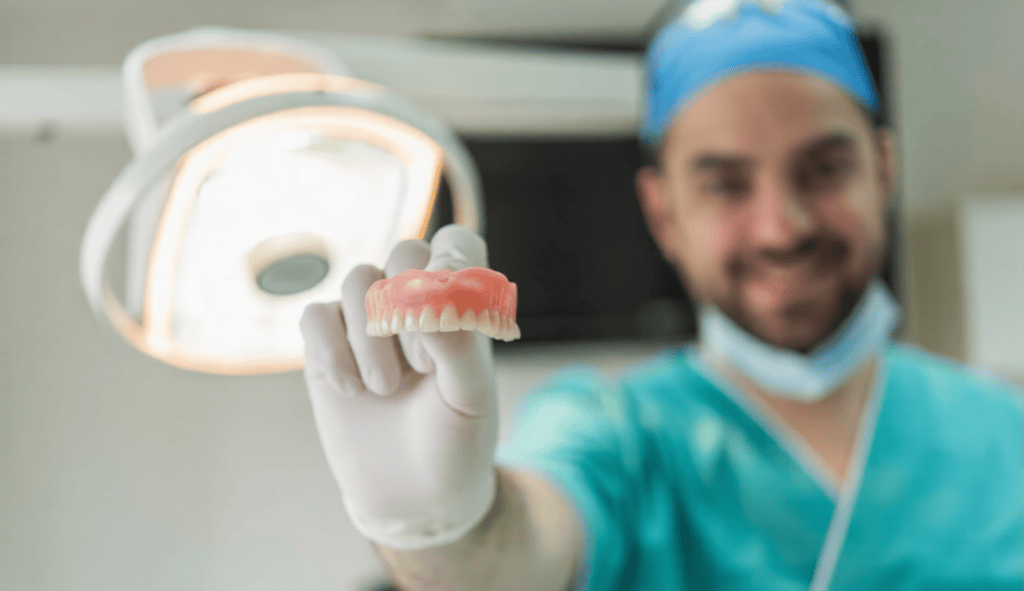
Multiple elements influence denture durability and how long your dentures remain functional and comfortable. Some factors affecting denture longevity you can control through daily habits and care choices, while others represent natural biological processes.
Material Quality and Construction
The materials used to fabricate your dentures and the quality of construction significantly impact their durability. Dentures can be fabricated from various materials, including acrylic resin, porcelain, and flexible thermoplastics. Higher-quality materials demonstrate greater resistance to wear, staining, and breakage during daily use.
Material types and characteristics:
- Acrylic resin bases:
This is a commonly used denture base material. It offers good aesthetics and can be adjusted or relined as needed. - Porcelain teeth:
These teeth are more resistant to wear and staining than acrylic teeth. However, they can be more brittle and may cause more wear on opposing teeth. - Flexible thermoplastics:
These are newer materials that may offer improved comfort and aesthetics for certain partial denture designs. - Metal frameworks:
These are used in partial dentures to provide strength, durability, and a precise fit around natural teeth.
Professional denture fabrication using quality materials may support a longer functional denture lifespan.
Why materials matter for longevity:
- Wear resistance:
Different materials have varying abilities to withstand daily chewing forces without excessive wear or flattening of denture teeth. - Staining resistance:
Some materials resist discolouration better than others, maintaining aesthetic appearance throughout their functional life. - Breakage resistance:
Material strength influences the risk of cracks, chips, or fractures during normal use or accidental drops.
Oral Hygiene and Daily Care Practices
Your daily denture care and maintenance routine directly influences how long your dentures remain in good condition. Daily cleaning helps prevent plaque buildup, staining, and bacterial growth that can deteriorate denture materials.
Impact of proper cleaning habits:
- Plaque prevention:
Regular cleaning addresses plaque biofilm that can harbour bacteria and cause odours or material breakdown. - Material preservation:
Appropriate cleansers protect denture materials from harsh chemicals that might cause cracks or discolouration. - Stain prevention:
Consistent cleaning helps prevent stains from foods, beverages, and tobacco that can penetrate denture materials over time. - Chemical integrity:
Using denture-specific cleansers rather than harsh household chemicals protects the structural integrity of your dentures. - Care routine essentials:
Careful daily brushing: Using a soft-bristle brush designed for dentures addresses debris without scratching surfaces. - Overnight soaking:
Keeping dentures moist in appropriate cleaning solutions prevents warping and supports hygiene. - Temperature awareness:
Avoiding hot water protects dentures from warping or distortion that can affect fit and function.
Changes in Jaw Structure and Oral Tissues
After tooth loss, your jawbone naturally undergoes gradual resorption, which is a shrinkage process that occurs over time. This biological process happens in all denture wearers as the bone no longer receives stimulation from tooth roots. As bone changes shape and volume, dentures that once fit well may become loose, unstable, or uncomfortable.
These structural changes aren’t caused by poor denture care and maintenance—they represent a natural biological response to tooth loss. Regular dental check-ups can monitor these changes and determine when adjustments, relining, or replacement may be needed.
Gum tissues also change over time, affecting how your dentures fit and feel during daily wear. Changes in your overall health status can influence oral tissue condition. A professional evaluation can determine whether relining addresses fit changes adequately or if replacement becomes necessary.
Dietary Habits and Chewing Patterns
What you eat and how you chew influences denture durability and the rate at which your dentures experience wear. Hard, sticky, or particularly chewy foods can place extra stress on denture materials.
Foods that may accelerate wear:
- Hard foods:
Items like hard lollies, ice, or nuts place concentrated force on denture teeth and may cause chips or cracks. - Sticky foods:
Caramels, toffees, and similar foods create pulling forces that stress denture materials and clasps. - Chewy foods:
Tough meats or chewy bread can require excessive force that accelerates wear on denture teeth surfaces.
This doesn’t mean avoiding these foods entirely—rather, using caution and proper technique when consuming them. Understanding factors affecting denture longevity related to diet helps you make suitable choices about food preparation.
Protective habits for extending denture life:
- Food preparation:
Cutting food into smaller pieces may reduce stress on dentures and make chewing more comfortable. - Balanced chewing:
Chewing evenly on both sides of your mouth helps distribute forces and prevents uneven wear patterns. - Appropriate use:
Avoiding using dentures to open packages or bite non-food items protects them from unexpected forces.
Parafunctional Habits
Parafunctional habits are behaviours involving your mouth that don’t serve a functional purpose, like eating or speaking.
Common parafunctional habits affecting dentures:
- Teeth grinding (bruxism):
Unconscious grinding or clenching creates excessive wear on denture teeth and can damage the base material structure. - Sleep grinding:
Nocturnal grinding often goes unnoticed but causes significant wear over months and years of nightly occurrence. - Stress clenching:
Clenching your jaw during stressful situations places unnecessary force on dentures and supporting tissues.
If you suspect grinding habits, discuss protective options and potential interventions with your dentist.
Other habits that affect durability:
- Pen or pencil chewing:
Habitually chewing on objects can damage denture teeth and create uneven wear patterns. - Nail biting:
This habit can place stress on denture teeth and potentially cause chips or cracks in the material.
These represent important factors affecting denture longevity that you can potentially modify through awareness.
Professional Maintenance and Adjustments
Regular professional care plays a significant role in extending your denture lifespan. Professional check-ups allow early detection of wear, fit issues, or material problems before they become serious.
What happens during regular dental visits:
- Comprehensive examination:
Your dentist examines the denture condition, checking for cracks, wear, stains, and structural integrity. - Fit assessment:
A professional evaluation determines whether your dentures still fit properly or if adjustments are needed. - Tissue health check:
Your oral tissues are examined for irritation, infections, or other problems related to denture wear. - Early intervention:
Timely professional attention can prevent small issues from progressing into major problems. - Maintenance planning:
Your dentist can recommend appropriate maintenance schedules and care routines based on your needs.
Not all denture problems require full replacement. Professional relining, rebasing, or adjustments can address many issues and extend functional life.
How to Care for Your Dentures: Evidence-Based Practices That May Extend Their Life
Caring for your dentures involves several daily and periodic practices that support both oral health and denture longevity. Evidence-based care routines may help extend your dentures’ functional life and maintain your oral health. Consistency in following recommended practices makes a measurable difference in how long your dentures serve you well.
Daily Cleaning Routine
Daily cleaning is an essential aspect of preserving denture materials and oral health.
Proper cleaning technique steps:
- Post-meal rinsing:
Remove and rinse dentures after eating to clear away food debris before it hardens on surfaces. - Daily brushing:
Brush all denture surfaces daily using a soft-bristle brush specifically designed for dentures. - Appropriate cleansers:
Use denture cleansers specifically formulated for denture materials—avoid regular toothpaste, which can be too abrasive. - Appropriate cleaning area:
Clean over a folded towel or basin of water to prevent damage if you accidentally drop your dentures. - Comprehensive cleaning:
Pay attention to all surfaces, including the tissue-facing side, where bacteria can accumulate. - Thorough rinsing:
Rinse thoroughly before placing dentures back in your mouth to wash off any residual cleanser.
What to avoid during cleaning:
- Regular toothpaste:
Don’t use regular toothpaste as it contains abrasives that can scratch denture surfaces. - Harsh chemicals:
Avoid household cleaners or bleach, which can damage materials and cause discolouration. - Hot water:
Avoid hot or boiling water as it can warp dentures and alter their fit. - Excessive force:
Don’t scrub too vigorously, as this can cause scratches that damage the appearance.
Overnight Soaking
Soaking your dentures overnight serves multiple purposes for material preservation and oral health.
Soaking guidelines:
- Appropriate solutions:
Use solutions specifically designed for dentures rather than improvising with household products. - Duration instructions:
Follow product instructions for the recommended soaking duration to achieve proper cleaning. - Pre-insertion rinsing:
Rinse dentures thoroughly before wearing again to wash off any solution residue.
Consult your dentist about whether to remove dentures overnight in your specific situation.
Proper Handling and Storage
Careful handling protects your dentures from accidental damage.
Handling precautions to follow:
- Soft landing surface:
Always handle dentures over a folded towel or basin of water to prevent impact damage. - Secure grip:
Hold dentures firmly but carefully, being especially careful when they’re wet and slippery. - Case storage:
Store dentures in their protective case when not wearing to prevent accidental damage. - Proper location:
Keep stored dentures away from edges where they might fall and away from children and pets.
Storage guidelines:
- Moisture maintenance:
Keep dentures moist when not in your mouth—allowing them to dry out can cause damage. - Covered container:
Store in clean water or denture solution in a covered container to maintain moisture. - Secure location:
Place the storage container in a secure spot away from children and pets.
Oral Tissue Care
Even without natural teeth, your gums and oral tissues need regular care.
Care tips for tissues:
- Careful brushing:
Carefully brush your gums, tongue, and palate with a soft toothbrush to stimulate circulation. - Plaque management:
This helps address plaque and bacteria that can accumulate even without teeth. - Pre-insertion rinsing:
Rinse your mouth thoroughly before inserting dentures to create a clean environment.
Benefits for denture wearers:
- Tissue health:
Healthy oral tissues support improved denture comfort and function during daily wear. - Infection prevention:
Regular tissue cleaning may help prevent infections and irritation in denture-wearing areas.
Regular Professional Care
Professional dental visits complement your home care routine.
What dental professionals check during visits:
- Fit evaluation:
Your dentist assesses denture fit and determines whether adjustments are needed. - Wear assessment:
Signs of wear, cracks, or damage are identified before they become serious problems. - Tissue health:
Oral tissue condition and any irritation are evaluated to prevent complications. - Maintenance needs:
Your dentist determines whether relining or other maintenance procedures might be beneficial.
These evidence-based denture care and maintenance practices may help extend your dentures’ functional life significantly. Proper care protects your investment in oral health and may delay the need for replacement.
When to Consider Denture Replacement: Recognising the Warning Signs
Knowing when your dentures may need professional evaluation helps maintain your oral health and quality of life.
Physical Damage
Cracks, chips, or fractures in your dentures are clear warning signs that evaluation is needed. Worn or flattened denture teeth may affect your chewing function. Stains that don’t respond to thorough cleaning may indicate material deterioration.
Some damage may be addressed through professional services, while other cases require replacement. Professional evaluation determines the appropriate course of action.
Fit and Comfort Changes
If your dentures slip, click, or move when speaking or eating, the fit has likely changed significantly. This often results from jawbone changes rather than denture wear. Excessive need for denture adhesive may indicate fit problems.
Don’t ignore fit issues as they can affect your oral health and nutrition. Schedule a dental appointment if dentures become noticeably looser. A professional assessment can determine if relining addresses fit changes or if new dentures become necessary.
Functional Problems
If chewing becomes increasingly difficult despite proper denture use, function has likely declined. Avoiding foods you previously managed comfortably may indicate problems. Reduced chewing ability can affect your nutrition and should be addressed promptly.
Dentures that once allowed clear speech but now cause slurring or clicking indicate changes have occurred. These functional changes warrant professional evaluation.
Age of Dentures
If your dentures are 7-10 years old or older, a professional evaluation is recommended regardless of their apparent condition. Even well-maintained dentures may need replacement due to jaw changes. Regular check-ups help determine if ageing dentures remain functional.
Some individuals may need replacement sooner than average, while others may extend use with professional adjustments. Your dentist can assess your specific situation.
Oral Health Concerns
Recurring gum infections or irritation despite proper hygiene may indicate denture-related problems. Persistent bad breath that doesn’t improve with thorough cleaning can signal bacterial buildup. Changes in facial appearance, suggesting jawbone loss, may indicate that dentures no longer fit properly.
These signs suggest professional evaluation may be needed. Your dentist can determine whether adjustment, relining, or replacement is appropriate. Don’t delay seeking assessment if you notice warning signs.
Supporting Your Denture Longevity with Professional Care
Professional dental care complements your home care efforts and provides services that extend denture functional life.
The Role of Regular Dental Check-Ups
Regular dental visits accomplish multiple objectives that support both denture longevity and your oral health.
What regular visits accomplish:
- Early problem detection:
Professional examinations can identify issues before they become serious. - Comprehensive monitoring:
Dentists monitor both denture condition and oral tissue health. - Preventive intervention:
Early intervention for fit changes may prevent more extensive problems. - Professional cleaning:
Regular professional cleaning addresses buildup that home care may miss. - Open communication:
Check-ups provide an opportunity to discuss any concerns or changes you’ve noticed.
Many dental professionals recommend denture check-ups every 6-12 months.
Professional Services That May Extend Denture Life
Several professional interventions can address problems and potentially extend your dentures’ functional life.
Available professional interventions:
- Relining services:
Adding new material to the tissue surface improves fit as jaw shape changes. - Professional restoration services:
Minor cracks, chips, or breaks can often be addressed rather than requiring complete replacement. - Adjustment procedures:
Modifying pressure points or clasps can improve comfort and function. - Professional cleaning:
Deep cleaning addresses stubborn deposits and stains that resist home cleaning methods.
Your dentist can recommend appropriate services based on your dentures’ condition.
Final Thoughts
Dentures may last 5-10 years, with implant-supported versions potentially lasting 10-15 years or longer. Multiple factors influence actual denture lifespan, including material quality, care practices, and biological jaw changes. Consistent denture care and maintenance may help extend functional life.
Your experience with denture durability may differ from these general timeframes based on individual factors. Professional assessment provides personalised guidance based on your specific situation. Individual biological factors and usage patterns vary significantly between denture wearers.
Understanding factors affecting denture longevity helps you take active steps to protect your oral health investment. When asking yourself, “How long do dentures last?” remember the answer depends on these multiple interacting factors. If you have questions about your dentures’ condition or expected lifespan, we encourage professional evaluation. Darch Dental Centre welcomes both new and existing patients for denture assessments. Contact our Perth clinic to schedule a comprehensive denture examination.


 Cosmetic Dentistry
 General Dentistry
 Dental Implants
 Emergency Dentist
 Orthodontics
 Sleep Dentistry