
 By Dr. Jon ( Junyi ) Ho
 If you’re having a tooth extracted, you might be wondering how long you’ll need to wait before you can get replacement teeth. This is one of the common questions patients ask when considering dentures after tooth extraction. The waiting period can vary significantly depending on which type of denture you choose and your individual healing process.
The timeline for getting dentures can range from immediate placement on the same day as your extraction to waiting three to six months for conventional dentures. Several factors influence this timeframe, including your overall health, the number of teeth being removed, and the type of denture that’s suitable for your situation.
In this blog, we’ll explore three main denture options available after tooth extraction. These include immediate dentures (same-day placement), conventional dentures (requiring a healing period), and implant-supported dentures (offering long-term stability). We’ll discuss the timeline for each option, the healing process your gums and bone will go through, and the factors that might affect how long you need to wait.
Contents Navigation
- 1. Summary of the Content:
- 2. Understanding Different Denture Timelines After Tooth Extraction
- 3. Immediate Dentures After Tooth Extraction: Same-Day Teeth
- 4. Conventional Dentures: Waiting for Complete Healing
- 5. Implant-Supported Dentures: A Longer but Stable Option
- 6. Factors That Affect How Long You Wait for Dentures
- 7. What to Expect During the Healing Period
- 8. Caring for Immediate and Transitional Dentures
- 9. Final Thoughts
Summary of the Content:
- Immediate dentures after extraction can be placed on the same day as your tooth removal.
- Conventional dentures require a healing period of six to eight weeks before initial impressions, with the entire process taking three to six months.
- Implant-supported dentures require an extended treatment timeline, with the entire process usually taking 6 to 12 months from extraction to final denture placement.
- Gum healing after tooth extraction occurs in stages, with soft tissue healing within six to eight weeks and bone remodelling continuing for several months.
- Individual factors such as your age, overall health, and lifestyle habits like smoking can influence your healing timeline.
- Each denture type offers different advantages, from immediate functionality to improved fit after complete healing.
- Understanding the week-by-week healing process helps you know what to expect during recovery.
- Proper care of immediate or transitional dentures during healing supports your recovery and helps your new teeth function as intended.
Understanding Different Denture Timelines After Tooth Extraction
The waiting period for dentures after getting a tooth removed isn’t the same for everyone. Your individual timeline depends largely on which type of denture you and your dentist decide is appropriate for your situation.
There are three main approaches to replacing teeth after extraction:
| Denture Type | Placement Timeline | Healing Period | Suitable For |
| Immediate | Same day as extraction | 6-8 months (with adjustments) | Patients who want teeth immediately |
| Conventional | 6-8 weeks post-extraction | 3-6 months total | Those seeking an accurate fit and lasting comfort |
| Implant-Supported | 3-6 months post-extraction | 6-12 months total | Long-term stability and function |
Immediate Dentures After Tooth Extraction: Same-Day Teeth
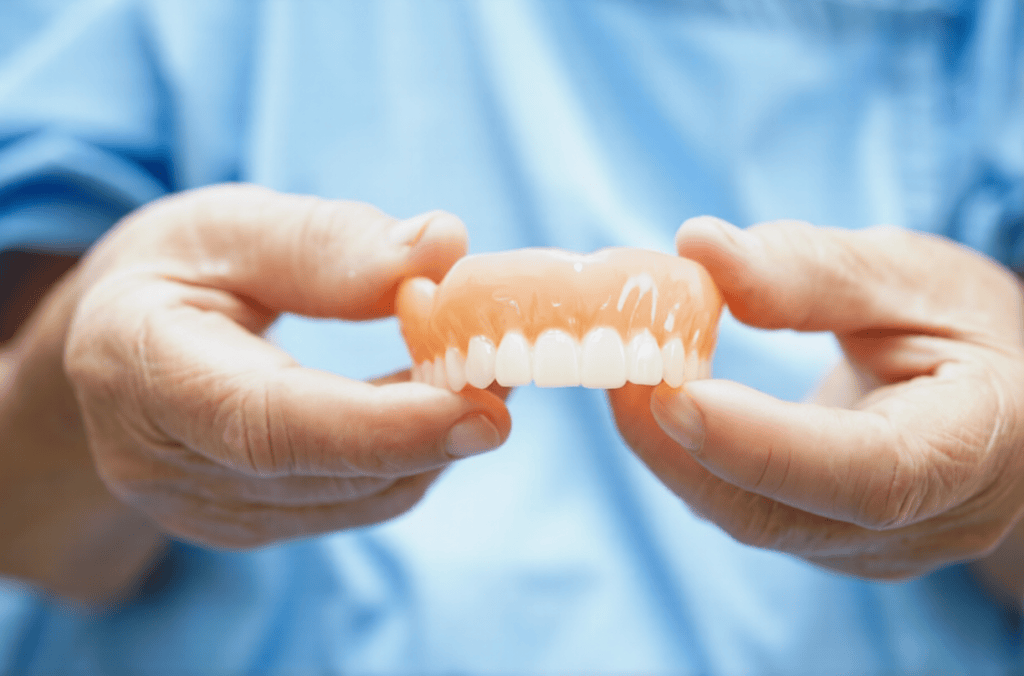
Immediate dentures after extraction offer the advantage of leaving the dental clinic with replacement teeth on the same day your natural teeth are removed. Rather than waiting weeks or months for your gums to heal, you can maintain your appearance and continue with your daily activities while your mouth recovers.
The Process Timeline
Your journey with immediate dentures begins several weeks before your tooth extraction:
- Initial preparation:
Two to four weeks before your extraction, your dentist takes impressions while your natural teeth remain. This allows the dental laboratory to create dentures that will fit after removal. - Extraction day:
Your dentist removes the teeth and immediately places the pre-made dentures. These act as both functional replacements and protective covering for the extraction sites. - First 24-48 hours:
Keep your dentures in place continuously during this period. They help control bleeding and reduce swelling by applying light pressure to the extraction sites. - First week:
You’ll return for a follow-up appointment where your dentist checks the healing progress and makes any necessary adjustments to improve comfort and function. - Weeks 2-6:
As your gums begin to change shape during healing, you may need temporary relines where soft material is added to the denture to help maintain a snug fit. - Months 6-12:
Your gums and bone healing after tooth extraction continue throughout this extended period, requiring multiple adjustment appointments to accommodate these changes.
Advantages
Immediate dentures offer several benefits, including continuous tooth presence. You won’t experience any period without teeth, which helps maintain your appearance. The dentures help maintain facial structure during healing and act as a protective bandage over the extraction sites. You can begin adapting to wearing dentures immediately and continue eating and speaking with some modifications during early healing.
Considerations
As your gums heal and shrink, the fit will change, requiring regular appointments for adjustments and potential temporary relines. Because these dentures are made before teeth removal, they may not fit as precisely as conventional dentures created after complete healing. Many patients will eventually need a reline or new dentures once healing is complete.
Conventional Dentures: Waiting for Complete Healing
The traditional dentures waiting period exists because your gum tissue and underlying bone undergo significant changes after tooth extraction. Waiting allows these structures to heal completely and reach a stable shape. When impressions are taken after healing is complete, they capture the true final shape of your gums, allowing more precise denture creation.
The Conventional Denture Timeline
Understanding the stages of healing helps you know what to expect:
- Extraction day:
Your teeth are removed, and the healing process begins immediately as your body starts forming blood clots in the extraction sites. These blood clots are essential for protecting the underlying bone and tissue during the early healing phase. - First week:
Blood clots form in the sockets and early tissue healing begins, which is critical for proper recovery. Your dentist may schedule a follow-up appointment during this time to check that healing is progressing normally. - Weeks 2-4:
The soft tissue starts closing over the extraction sites, and you’ll notice the surface of your gums beginning to look more healed. New tissue gradually fills the tooth sockets from the bottom up during this period. - Weeks 6-8:
By this stage, your gum healing after tooth extraction is substantially complete on the surface, and your dentist can begin taking preliminary impressions for your dentures. The gums have reached a relatively stable shape, though changes continue beneath the surface. - Weeks 8-12:
Final impressions are taken once your dentist is satisfied that your gums have reached a stable shape that’s unlikely to change significantly. These precise impressions help your dentures fit accurately once created. - Weeks 12-16:
The dental laboratory uses your impressions to custom-create your dentures, a process that requires careful craftsmanship and attention to detail. The laboratory technician carefully matches the colour and shape to create natural-looking teeth. - Week 16 and beyond:
You receive your new dentures and attend several appointments for initial fitting and any minor adjustments needed for comfort and function. Your dentist will check your bite, comfort, and appearance during these visits. - Months 3-6:
While your dentures are in place, bone remodelling continues beneath the surface, though these changes are much less dramatic than the early healing period. Your dentist will monitor your dentures and gums during regular checkup appointments.
The Healing Process Explained
The gums close over extraction sites within six to eight weeks, creating a healed surface ready for dentures. The underlying jawbone continues changing for six to eight months as your body adapts to the changed forces. Your gum ridge changes shape as bone and tissue remodel, which is why waiting allows for more accurate denture fabrication.
What Happens During the Waiting Period
If you choose conventional dentures, the healing period requires some planning and adjustments to your daily routine. Your dentist will provide guidance on several key areas to help promote a smooth recovery.
Advantages
The waiting period offers several benefits that contribute to long-term denture success:
- Time for complete healing:
Your gums and bone have adequate time to reach a stable, final shape before impressions are taken. - Better long-term fit:
Dentures made after complete healing usually require fewer adjustments over their lifespan. - Reduced complications:
Allowing proper healing time can decrease the risk of fit issues and discomfort once dentures are placed.
Considerations
However, the traditional dentures waiting period involves some practical challenges to plan for:
- Temporary options:
If needed, your dentist can discuss options for temporary teeth during the healing period, though some patients choose to manage without visible teeth depending on their circumstances. - Dietary modifications:
You’ll need to focus on soft foods during the early weeks, gradually expanding your diet as gums heal. - Oral hygiene focus:
Maintaining good oral hygiene is critical, and your dentist will provide specific instructions about how to clean properly around the extraction sites. - Appearance management:
If extracted teeth are visible when you smile, you might need to plan for social and professional situations during healing.
Implant-Supported Dentures: A Longer but Stable Option
Implant-supported dentures use titanium implants placed in your jawbone to secure your dentures. This option involves the longest timeline but can offer enhanced stability once complete.
What Are Implant-Supported Dentures?
Small titanium posts are surgically placed into your jawbone, and once these implants have integrated with the bone, specially designed dentures are attached to them. This approach provides a stable long-term option and can help prevent bone loss that often occurs after tooth extraction.
The Implant-Supported Denture Timeline
The process follows several distinct stages:
- Extraction day:
Your teeth are removed, and the healing process begins, similar to other denture types. Your dentist may discuss temporary denture options to wear during the extended healing period ahead. - Initial healing period:
You’ll need to wait three to six months for your gums and bone to heal completely before implants can be placed. This waiting period is essential because implants require healthy, stable bone for successful integration. - Implant surgery:
Once healing is complete, your dentist surgically places titanium posts into your jawbone at specific locations to support your future dentures. The number of implants needed depends on whether you’re replacing upper teeth, lower teeth, or both. - Osseointegration period:
The implants need three to six months to fuse with your jawbone in a process called osseointegration. During this time, bone cells grow around the titanium posts, creating a secure foundation for your dentures. - Denture attachment:
After the implants have fully integrated, your dentist attaches the final dentures to the healed implants using special connectors. These connectors allow the dentures to snap securely onto the implants while still being removable for cleaning.
From extraction to final dentures, the entire process takes around 6 to 12 months. Individual timelines vary based on healing speed, bone quality, and whether any additional procedures like bone grafting are needed.
Benefits of the Extended Timeline
Your bone must heal completely before implants can be placed. Once placed, implants require time to fuse with your jawbone through osseointegration, which cannot be rushed. Temporary dentures can be worn during this waiting period.
Benefits
The implants provide a secure foundation that holds dentures firmly in place, reducing movement during eating and speaking. Unlike conventional dentures, implants stimulate your jawbone similar to natural teeth, which can help maintain bone volume and facial structure. Many patients find they can eat a wider variety of foods more comfortably with implant-supported dentures compared to conventional removable dentures.
Same-Day Implant Options
Some dental clinics offer “teeth-in-a-day” or similar approaches where implants and temporary dentures are placed on the same day. However, these options require specific criteria, including adequate bone density and quality, good overall health, and favourable jaw anatomy. They aren’t suitable for every patient, and candidacy depends on careful assessment by your dentist.
Factors That Affect How Long You Wait for Dentures
The timeline for getting dentures after tooth extraction varies from person to person based on numerous factors. Understanding these influences can help you anticipate your healing journey and work with your dentist to plan accordingly. Your dentist will consider all these when estimating your individual timeline.
Individual Health Factors
Healing ability varies among individuals, with factors such as age potentially influencing soft tissue healing speed. Conditions such as diabetes or autoimmune disorders can also affect your body’s ability to heal tissue and bone. A healthy immune system supports proper tissue recovery, and adequate nutrition promotes healing processes.
Number and Location of Extractions
Removing a single tooth generally heals faster than multiple extractions. Molar sockets are larger and deeper than front teeth, which can affect healing time. Simple extractions usually heal faster than surgical extractions that require bone removal.
Bone and Gum Health
Pre-existing periodontal disease can affect healing time. Good bone density supports faster healing and is particularly important for implant-supported dentures. If infection is present at extraction, your dentist may need to address this before dentures can be made.
Lifestyle Factors
Smoking can slow healing significantly, as it reduces oxygen delivery to healing tissues and may delay your timeline by weeks or months. Regular alcohol use can affect healing by impacting immune function. Eating a balanced diet supports tissue recovery and bone healing.
Post-Extraction Care
Adhering to your dentist’s post-extraction care guidelines helps promote smooth healing. Properly managing swelling and taking prescribed medications supports a comfortable recovery. Attending all follow-up appointments allows your dentist to monitor healing.
Extraction Complexity
Simple extractions generally heal faster than surgical extractions. If infection is present when teeth are removed, healing may take longer. If bone grafting is needed, this extends your healing timeline.
What to Expect During the Healing Period
Understanding the healing process after tooth extraction can help you know what’s normal and when you should contact your dentist. While everyone’s experience differs, there are general patterns many patients follow. Knowing what to expect at each stage helps you track your recovery progress.
Week-by-Week Healing Guide
Your healing will progress through several distinct phases, each with different characteristics and care requirements. Understanding what happens at each stage helps you recognise normal healing and know when to contact your dentist.
- First 24-48 Hours:
You’ll notice some bleeding from the extraction sites, which is controlled by carefully biting on gauze pads. Swelling around your jaw and cheeks is common and reaches its peak around 48 hours. You’ll experience some discomfort, which is normal and can be managed with prescribed pain relief. - Week 1:
Swelling begins to subside, and discomfort usually improves during this week. Soft tissue starts healing over the socket openings. Many patients feel well enough to return to normal activities. - Weeks 2-4:
Soft tissue healing progresses steadily, and the extraction sites continue closing over. Swelling has generally disappeared completely. You can start gradually expanding your diet to include more varied soft foods. - Weeks 6-8:
Your gum tissue is substantially healed on the surface. Surface healing is essentially complete, though changes continue beneath. Your mouth is generally ready for preliminary impressions at this point. - Months 3-6:
Bone continues remodelling beneath your healed gums. Your jaw shape gradually stabilises. Your mouth is generally ready for final dentures or implant placement.
Managing Discomfort and Swelling
Your dentist may prescribe pain relief medication appropriate for your needs. Applying ice packs during the first 48 hours can help reduce swelling. After the first 24 hours, rinsing with warm salt water can help keep the extraction sites clean.
Dietary Guidelines
Focus on soft, cool foods such as yoghurt, smoothies, and mashed potatoes during the first few days. Continue with a soft diet including scrambled eggs, pasta, and soft vegetables during the first week. Begin gradually introducing more solid foods during weeks 2-4 as comfort allows.
When to Contact Your Dentist
Contact your dentist if you develop a fever, notice increasing pain, see pus or discharge, or notice a bad odour. Bleeding that doesn’t cease with light pressure warrants a call. Severe pain that develops a few days after extraction can indicate dry socket, which needs professional treatment.
Caring for Immediate and Transitional Dentures
If you’ve chosen immediate dentures, proper care is essential for both the dentures and your healing oral tissues. Learning to clean and maintain your dentures helps keep them functioning well throughout the healing period. Following proper care guidelines supports your recovery and helps prevent complications.
Daily Cleaning
Remove your dentures and rinse them under running water after meals to clear away food particles. Use a soft denture brush with denture cleaner to carefully clean all surfaces. Place your dentures in denture-soaking solution overnight to keep them moist and clean.
Handling and Storage
Always handle your dentures over a soft towel or basin of water to cushion them if dropped. Avoid exposing your dentures to hot water, which can warp the plastic. Don’t attempt to adjust your dentures yourself, as this can cause damage.
Adjustment Period Tips
Some discomfort when first wearing dentures is normal as your mouth adjusts. Reading aloud helps you adapt to speaking with dentures. Start with soft foods cut into small pieces, gradually introducing more challenging foods as you adapt to your dentures.
When Immediate Dentures
Keep your dentures in place continuously during the initial 48 hours as directed to help control bleeding. After 48 hours, you can remove your dentures for cleaning as instructed. Expect your dentures to feel different as healing occurs—this is normal.
Red Flags
Some situations need prompt professional attention:
- Persistent problems:
Contact your dentist if you experience persistent pain or bleeding that doesn’t improve over time. These symptoms may indicate an infection or other complication that requires professional assessment. - Denture damage:
If your denture is causing wounds or sores, schedule an appointment rather than trying to continue wearing it. Continuing to wear ill-fitting dentures can lead to more serious tissue damage and delayed healing. - Significant looseness:
If your dentures become so loose that they don’t stay in place during eating or speaking, contact your dentist promptly. While some loosening is expected with immediate dentures, excessive movement can interfere with healing and function. - Functional difficulties:
If you’re having significant difficulty eating or speaking after the initial adjustment period has passed, your dentures may need professional adjustment. Many patients adapt within a few weeks, so ongoing struggles suggest a fit issue that your dentist can address. - Broken dentures:
A cracked or broken denture needs immediate professional attention to maintain proper function and protect your healing tissues. Your dentist can assess the damage and determine the appropriate next steps.
Final Thoughts
The journey to getting dentures after undergoing a tooth extraction involves different timelines depending on which option you choose, ranging from same-day placement to several months of healing. Your individual healing process is influenced by factors including your overall health, lifestyle habits, and the type of denture selected. Modern dentistry offers various options to address different needs and preferences.
The waiting period allows your body to heal properly and provides the foundation for long-term denture success. Modern dentures are more comfortable and natural-looking than ever before. The range of options available means there’s likely an approach that can work for your circumstances.
The team at Darch Dental Centre supports patients throughout the denture process, from initial consultation through healing and adjustment. If you’re considering dentures after tooth extraction, you can book a consultation to explore which approach might be suitable for your needs.




 Cosmetic Dentistry
 General Dentistry
 Dental Implants
 Emergency Dentist
 Orthodontics
 Sleep Dentistry